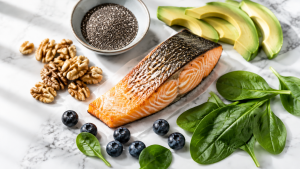
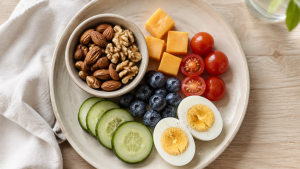
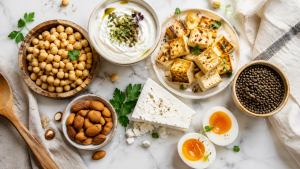
I remember those evenings when the kitchen felt like a whirlwind. Pots clattered, my mind raced through half-formed ideas, and dinner often turned into whatever was quickest—usually something restless and unsatisfying. Then one quiet Sunday, I set aside an hour to chop vegetables and portion grains, and a small calm settled in. Suddenly, pulling a ready meal from the fridge brought a steady warmth to my week. What if your own evenings could shift that way?
Have you felt that pull toward simpler nights? Take a breath and picture one small prep ritual in your space.
When Dinnertime Meant Last-Minute Scrambles
Before I eased into meal prep, dinnertime was a scramble that left me tired. I'd stand at the fridge, restless, grabbing bits of this and that—cheese on crackers or a rushed pasta that barely filled the quiet. It wasn't about grand failures; it was just the drag of deciding every night.
One evening, after a long day, I noticed how my shoulders tensed at the thought of cooking from scratch. A friend mentioned prepping ahead, not as a chore, but as a gentle anchor. That sparked a tiny mindset shift: what if I borrowed a bit of calm from the weekend?
I started small, prepping just one lunch the night before. The next day, eating it at my desk felt like a quiet gift to myself. No more mid-afternoon restlessness wondering what to eat. Those early tries showed me prep could soften the edges of busy days.
Looking back, that shift from chaos to steadiness came without force. It was in the simple act of planning once for the week ahead.
Gathering Staples That Feel Familiar and Kind
I keep my pantry stocked with basics that sit steady on the shelf, ready when I am. Oats for morning warmth, quinoa that cooks up fluffy without fuss, and sweet potatoes that roast into something comforting. These aren't fancy; they're the kind you can grab without second-guessing.
For veggies, I reach for carrots, bell peppers, and greens like spinach that wilt gently. Proteins come simple too—canned chickpeas, eggs, or chicken breasts that thaw in moments. Think of them as old friends: reliable, not demanding.
One weekend, I lined up a few jars of these on my counter. Chopping cucumbers felt rhythmic, like a small ritual. When paired with 30-Day Walking Plan for Total Beginners, these staples fueled my steps without extra thought.
Start with what you already have. A bag of rice, some yogurt—these build a kind foundation. No need for rare finds; familiarity breeds that calm ease.
Sketching Meals Around Your Quiet Days
Meal ideas flow best when tied to your rhythm—like workweek anchors or weekend resets. A jar salad layers greens, cherry tomatoes, feta, and chickpeas for a crisp lunch that travels well. Sheet-pan veggies with chicken warm the oven once, yielding portions for days.
For breakfast, overnight oats with banana slices and a drizzle of nut butter wait patiently in the fridge. Stir-fry rice bowls, prepped with broccoli and tofu, reheat into evening steadiness. These keep portions flexible, adjusting to tired or hungry moments.
During one reset, I sketched three meals: Monday's quinoa salad, Tuesday's egg muffins, Wednesday's lentil soup. Eating them brought a quiet rhythm to my week. No rigid menus—just gentle sketches that fit.
Consider your days: what might a prepped wrap with hummus do for your afternoons? Weave in habits like tracking your water intake daily to round out the calm. Simple combos like these turn prep into a thoughtful habit.
Vary textures—a crunchy slaw one day, a soft grain bowl the next. This keeps the week feeling fresh, not forced.
Finding Rhythm in a Single Prep Morning
Sundays became my steady prep time, a flow that calmed the week ahead. I clear the counter, brew tea, and let hands move without rush. This rhythm steadied my doubts, turning overwhelm into quiet progress.
Here's the gentle four-step flow I follow:
-
Clear a calm space and list three meals that fit your week. Jot basics like "salad jars" or "oats"—nothing complex. I breathe here, imagining tired evenings eased by readiness.
-
Chop and portion with steady hands: dice veggies, cook grains in one pot. Set timers for ease; I found 20 minutes enough for a batch. Taste as you go—it's your ritual.
-
Layer into containers like a small ceremony. Bottom grains, middle proteins, top greens to stay crisp. This stacking feels thoughtful, building meals from the ground up.
-
Label and tuck away for the week: dates on lids, fridge shelves assigned. One quick scan shows what's next. My fridge became a calm gallery of possibilities.
This flow takes about 90 minutes for five days' worth. Adjust for your pace—it's not a race. Over time, it weaves into mornings like a warm habit.
I noticed how step two's chopping soothed restless energy. By the end, containers lined up like quiet promises.
What Held Steady When Doubts Crept In
What helped me most was flexibility when tiredness hit. If a meal felt off, I'd swap in extras like avocado for creaminess—no strict rules. Portions stayed loose, bigger on hungry days, lighter when calm.
Evening wind-down tastes kept it kind: a warm grain bowl with herbs brought steady comfort. When doubts whispered "too much," I prepped half and built from there. It helped to revisit how to read food labels without confusion, choosing simple ingredients that felt familiar.
Restless nights eased with prepped snacks—apple slices and cheese portions ready by the door. These small adapts held the practice steady. You might find your anchors in similar shifts: a favorite spice, a shorter list.
Honesty with myself—what truly nourished—kept doubts at bay. Prep became less about perfection, more about gentle care.
A Tiny Shift to Carry into Your Week
For your gentle experiment, try prepping just two lunches for three days. Use one sheet pan or jar—keep it tiny. Note how it feels: a bit of calm pulling from the fridge, or less evening restlessness?
What small ease did you notice in those moments? One action: pick your first staple tomorrow and portion it once.
FAQ
How much time should a beginner spend on their first meal prep?
Start with 45 to 60 minutes on a calm morning. This covers listing meals, basic chopping, and storing—without overwhelm. I found shorter sessions built my rhythm gently, expanding as steadiness grew.
What if cooking feels overwhelming some days?
Scale back to no-cook options like assembling salads or overnight oats. Rest when needed; prep isn't daily. One restless evening, I just portioned fruit—enough to carry calm forward.
Can I make this work on a tight budget?
Yes, focus on staples like rice, beans, and seasonal veggies—they stretch far. Buy in bulk for grains, skip extras. My weekly cost dropped with these familiar choices, feeling kind to the wallet.
How do I know if my prepped meals are still good?
Check for off smells, sliminess, or color changes before eating. Store in the fridge's coldest spot, use within 4-5 days. Labeling dates helped me trust the freshness intuitively.
Which containers make storing simple?
Glass jars or BPA-free plastic with tight lids work best—stackable and clear for easy spotting. Reuse what you have first. I love ones that let layers stay separate, keeping textures steady.