Last spring, after weeks of restless evenings and stiff mornings, I craved a gentle reset without overwhelming my already full days. I started with just seven days of small, playful movements that felt more like invitations than chores—tiny shifts that brought a quiet steadiness. What surprised me was how these habits wove into my routine, turning ordinary moments into ones of calm energy.
If you're dipping your toes into feel-good habits for the first time, this challenge is your soft entry point, built from what steadied me. No big changes, just a few minutes each day to notice your body settling in. It reminded me of quiet mornings with coffee, where everything feels possible in small doses.
What Helped Me Ease Into Steady Habits
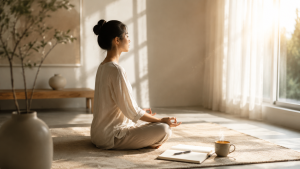
I began by clearing a small space in my living room, nothing fancy—just enough room to stretch without bumping the couch. Comfy clothes made it easier; old sneakers that hugged my feet like familiar friends. A phone timer set for five minutes kept things light, no pressure to go longer.
What might help you is picking one spot in your home that feels welcoming, maybe near a window where light filters in softly. I found that playing a favorite song shifted my mood instantly, turning movement into a sway rather than a task. Reminders on my phone, simple notes like "breathe and move," nudged me without nagging.
One evening, after a long day at my desk, I slipped on those sneakers and swayed to an old tune. The restlessness faded, replaced by a steady hum in my limbs. It was that ease that carried me through the week.
Linking these to everyday rhythms helped too. For instance, after exploring how to start a daily walking habit easily, I noticed how pairing it with breath made everything feel connected. Small tools like that build a gentle foundation.
Your Simple 7-Day Tracker for Lasting Lightness
This tracker is your companion for the week—a quick way to mark progress without fuss. Print it out, jot in a notebook, or use your phone's notes app. Each day has three parts: a gentle move, a breath anchor, and something to notice with a smile.
Check the box when done, and add one word for how you feel. It's not about perfection; it's about those small nods of recognition. Over seven days, patterns emerge, like a quiet friend pointing out what's working.
| Day | Gentle Move (5-10 min) | Breath Anchor | Notice & Smile | Check | One-Word Feeling |
|---|---|---|---|---|---|
| 1 | Arm circles and gentle sway side to side | Slow inhales for 5 counts | Spot something blue nearby | ||
| 2 | Seated leg lifts and shoulder rolls | Exhale with a soft sigh x5 | Feel your feet on the ground | ||
| 3 | Standing knee lifts and arm reaches | Breath in through nose, out mouth | Notice a warm color around you | ||
| 4 | Torso twists while seated or standing | Hold breath for 3, release slow | Smile at your reflection | ||
| 5 | Side bends and wrist circles | 4-7-8 breath (in 4, hold 7, out 8) | Find a pattern in the room | ||
| 6 | Full body shake-out like shaking water off | Deep belly breaths x6 | Notice sounds outside | ||
| 7 | Your favorite from the week, repeat | Any breath that feels good | Something that makes you smile |
Glance at it daily; the simplicity invites consistency. I kept mine on the fridge, a visual whisper to keep going.
Days 1-2: Waking Gently to the Day's Rhythm
On Day 1, I woke to arm circles by the bed, swaying like leaves in a breeze. The slow inhales grounded me, spotting blue curtains that made me smile faintly. By evening, a calm lingered, softer than coffee ever did.
Day 2 brought seated leg lifts during lunch, shoulder rolls easing desk tension. Feeling my feet on the floor anchored the restless drift. It felt like rediscovering steadiness in familiar spaces.
These early days taught me to start where I was—no big setups. Just move, breathe, notice. The rhythm built quietly, like dawn light creeping in.
Days 3-4: Steadying Through the Afternoon Drift
Midweek, knee lifts in the kitchen steadied my afternoon slump. Breathing in through the nose, out the mouth, paired with noticing warm sunlight on the wall. A subtle warmth spread, chasing away the haze.
Day 4's torso twists came after emails, seated by my desk. Holding the breath briefly, then releasing, I smiled at my reflection in the screen. It was restorative, like a pause in a busy stream.
What felt good was the flow—no rush, just steady turns. These moments bridged the day, leaving me less scattered.
Days 5-6: Playful Twists for Evenings and Weekends
By Day 5, side bends outdoors brought fresh air, wrist circles loosening held tension. The 4-7-8 breath slowed everything, noticing patterns in the leaves. Playfulness emerged, light and unforced.
Day 6's full body shake-out on the porch felt freeing, like shedding the week's dust. Deep belly breaths synced with birdsong noticed outside. Weekends allowed this expansiveness, blending fun with calm.
I wove in ideas from how to build core strength with beginner moves, adding a gentle twist without strain. It kept evenings lively yet settling.
Day 7: Pausing to Savor the Quiet Shifts
Final day, I chose swaying again, my favorite. Any breath that soothed, smiling at the progress notes. Quiet shifts appeared—less stiffness, more ease in daily steps.
Pausing to review the tracker brought gratitude. Small checks added up, a week of invitations accepted.
A Gentle Experiment: One Habit to Carry Forward
Pick one that felt easiest—the sway, a breath, or a notice. Try it for three more days, maybe mornings with tea. What felt lightest for you?
Carry it forward gently; let it become a quiet companion. This builds on gentle tips to build lasting healthy habits, one step at a time.
Frequently Asked Questions
I'm new to movement—will this feel too much?
These are tiny moments designed for beginners; start even shorter if needed, like 2 minutes. Listen to your body, and adjust the pace to what feels steady and kind.
What if I miss a day?
Kindly return the next day—no judgment, just gentle continuity. Missing one doesn't erase the good; it's all part of the soft rhythm.
Do I need any equipment?
No, just space to move and maybe music on your phone. Bare feet or socks work fine on most floors.
How do I track feelings?
Use the table's one-word column—simple words like 'light' or 'steady' work best. It captures the essence without overthinking.
Can I adapt for indoors only?
Absolutely; all moves work by a window or in a small room. Imagine the outdoors through glass if it helps the mood.