Last Tuesday afternoon, I was midway through a work call, my thoughts racing like leaves in a gusty wind. My chest felt tight, and every word I typed seemed to echo with unrest. Stepping away for just one quick breath changed everything—it grounded me, turning that restless buzz into a steady calm I could carry back to my desk. If you're reading this with a similar hurried feeling, pause right now and notice your breath. It's always there, ready to help.
The Afternoon My Breath Became My Quiet Anchor
I remember that day clearly. The kitchen table doubled as my office, sunlight slanting through the window while emails piled up. My shoulders hunched as I juggled notes from the call, heart pounding from the unexpected questions.
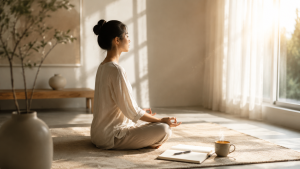
Then, something simple shifted. I closed my eyes for a count of four, breathing in slow through my nose. Out for four, holding steady in between. That one cycle softened the edges of my worry.
From there, the call flowed easier. No grand revelation, just a quiet anchor in the midst of it all. It made me curious about other quick breaths for everyday rushes.
Later that evening, as I reflected over tea, I realized this wasn't magic. It was a small tool I'd overlooked amid busier habits. Moments like these invite us to reclaim a bit of calm without upending our day.
Spotting Those Restless Moments That Call for a Breath
Restless moments sneak up often. You might notice a tight chest before a meeting, breaths coming shallow and quick. Or that evening scroll through your phone, mind jumping from one worry to the next.
I spot them in the car, waiting at a light, fingers drumming the wheel. A subtle restlessness builds, like an undercurrent pulling at calm. These are signals worth noticing.
Pre-dinner prep can bring it too—chopping vegetables while replaying a tough conversation. Your breath shortens without you realizing. Tuning in early lets a quick pause make a difference.
Even weekend errands carry them. Pushing a cart through the store, to-do lists whispering doubts. A held breath or sigh is your body's gentle nudge toward steadiness.
What Helped Me – And What Might Help You
What helped me most was keeping it simple. No need for perfect quiet or long sessions. Just noticing when my breath felt ragged, then trying one easy pattern.
I found pairing a breath with a walk around the block eased me into it. The fresh air amplified that steady feeling, especially on restless afternoons. Small additions like that built my confidence.
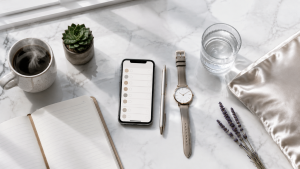
A soft reminder on my phone worked wonders too. Not nagging, just a gentle ping: "Breathe?" It turned scattered days into ones with more pauses. What might feel approachable for you?
Tracking in a notebook helped. Jotting "calmer after box breath" reinforced the wins. Over time, these notes showed a pattern of growing ease.
Emotionally, it softened tiredness into something manageable. No forcing calm, just inviting it with each inhale. That's the quiet shift that stuck.
Four Gentle Breaths to Steady Your Day
These four breaths came from my trial-and-error days. Each one fits quick pauses, like between tasks or during a commute. I tested them in real moments—desk slumps, pre-sleep wind-downs.
Start with whichever draws you. No rush to master all. They build a toolkit for those tired, restless spots.
One evening, after a full day, I used the belly breath to unwind. It paired nicely with thoughts from my Beginner's Guide to Light Cardio at Home, easing me into gentler movement.
- Box Breath for Desk Pauses
- Inhale quietly through your nose for a count of four.
- Hold for four, feeling your belly steady.
- Exhale through your mouth for four, then hold empty for four.
This one suits mid-work lulls, resetting scattered focus without leaving your chair.
- 4-7-8 Breath for Evening Wind-Down
- Inhale through your nose for four counts.
- Hold for seven, letting thoughts drift.
- Exhale slowly through pursed lips for eight.
Perfect before bed or after dinner, it quiets a busy mind gently.
- Belly Breath for Morning Starts
- Place a hand on your belly.
- Breathe in deep so it rises, out so it falls.
- Repeat four times, slow and even.
Great for waking up tired or pre-coffee jitters, inviting a grounded beginning.
- Shoulder Roll Breath for Tension Spots
- Inhale as you roll shoulders up and back.
- Exhale fully, letting them drop.
- Do three rounds, eyes soft or closed.
Ideal for hunching over screens or carrying the day's weight in your neck.
Finding Pauses Amid the Everyday Rush
Weaving breaths into routines takes gentle nudges. Set a phone chime for three times a day—morning, midday, evening. Let it cue a 30-second pause.
During commutes, try it at red lights. One cycle shifts the drive from tense to steady. I noticed less road frustration after a week.
Evenings offer natural slots. As you brush your teeth or wait for water to boil, slip in a belly breath. It turns ordinary moments into rests.
Combining with light movement deepened it for me. Something like ideas from the How to Set Up a Budget Home Yoga Spot created a cozy corner for breaths. Simple setups invite consistency.
Weekends allow resets. Pair a breath with coffee on the porch. These pockets build familiarity without pressure.
Gentle Experiment: Five Days of One Quick Breath
Pick one breath from above—maybe box for its simplicity. Pause three times daily: once morning, midday, evening. Just 20 seconds each.
Keep a note handy. After each, jot one word: "calm," "restless," "steady." No judgment, just observe the shifts.
By day five, patterns emerge. Small wins like fewer tight-chest moments add up. It builds quiet trust in your own rhythm.
What one pause will you try today? Jot it in your phone now—let that be your gentle start.
Frequently Asked Questions
Can anyone do quick breathing, even if they're new to it?
Yes, these start right where you are. No experience needed—just your natural breath as a guide. Beginners often find box breath easiest, with its even counts building quick familiarity.
Go slow at first. Shorten counts if four feels long. It adapts to tired or busy days seamlessly.
What if my mind wanders during the breath?
That's completely normal—minds wander like that. Gently bring focus back to the count or your belly's rise. Each return strengthens the habit without frustration.
Over days, wanderings lessen naturally. Treat it as practice, not perfection.
How often should I practice for it to feel natural?
Short pauses three times a day build ease steadily. Aim for consistency over length—even 20 seconds counts. After a week, it slips into routines like brushing teeth.
Listen to your body. More if restless, less if calm flows. It becomes a familiar friend.
Is quick breathing okay when I'm really upset?
It can help, but pair it with a short walk if emotions run high. The movement lets energy shift before the breath settles you. Always honor what feels right.
If upset lingers, reach for a trusted chat too. Breaths complement, not replace, other cares.
Do I need a quiet space for these breaths?
No, they work anywhere—car, kitchen, even meetings. Discreet inhales through the nose keep it private. Adapt by shortening if needed.
I do them amid family noise or work chatter. The pause itself creates inner quiet, no matter the surroundings.
Thinking of a weekly rhythm? Glancing at a Weekly Home Workout Plan for Newbies alongside breaths rounded out my calmer days nicely.