Why Most Sleep-Friendly Food Lists Miss the Mark
You've read the standard lists: tart cherries, almonds, kiwi, turkey, chamomile tea. They all explain tryptophan, melatonin, and magnesium. But after a decade of helping people dial in their sleep nutrition, I've learned that the real obstacle isn't what to eat - it's how to eat it. Timing, portion size, and food pairings make the difference between a so-so night and waking up rested.
When I first started experimenting with pre-bed snacks, I made the mistake of eating a handful of almonds right before brushing my teeth. I woke up bloated and restless. The almonds weren't the problem - the timing and portion were. That experience taught me something most articles leave out: your body's digestive system needs a buffer, and certain nutrient combinations work better than isolated foods.
This guide is built around a framework I call the Sleep Plate. Instead of a grocery list, think of it as a 3-hour pre-bed strategy with specific portion limits, synergistic pairings, and a troubleshooting guide for when things go wrong. By the end, you'll know exactly what to eat, when to eat it, and how to adjust if you're one of those people who reacts poorly to common sleep 'helpers.'
Why Timing and Portion Size Matter More Than the Food Itself
Most advice says 'eat a light snack before bed.' But what does that mean? Your digestive system slows down as you approach sleep. Eating a large meal within two hours of bedtime forces your body to work on digestion instead of repair and rest. That's why you feel hot, bloated, or get heartburn. The ideal window is 2-3 hours before bed for a proper meal, and 30-60 minutes for a small snack.
Portion size is equally critical. A 'snack' should be around 150-250 calories - roughly the size of your palm. More than that and you risk insulin spikes that can disrupt sleep architecture. Less than that and you might wake up hungry at 3 a.m. I've seen people eat a single banana (about 100 calories) and wonder why they still wake up - it's not enough to sustain blood sugar through the night.
The thing nobody tells you about is that individual digestion rates vary. Someone with a fast metabolism might need a snack 30 minutes before bed, while another person with slow digestion needs two hours. The only way to find your sweet spot is to experiment systematically. Keep a log for 3 nights with different timings and note how you feel at bedtime and upon waking.
The Sleep Plate Framework: A 3-Hour Pre-Bed Strategy
Think of your evening eating as three phases: the main meal (3-4 hours before bed), the snack window (1-2 hours before bed), and the optional last bite (30 minutes before bed if needed). Each phase has a specific purpose and nutrient profile.
Phase 1: The Main Meal (3-4 Hours Before Bed)
This is your dinner. It should be balanced - protein, healthy fats, complex carbs, and vegetables. The goal is to stabilize blood sugar and provide tryptophan, the amino acid that converts to serotonin and then melatonin. But tryptophan doesn't work well alone. It needs to be paired with carbohydrates to trigger insulin release, which clears competing amino acids from the bloodstream and lets tryptophan enter the brain.
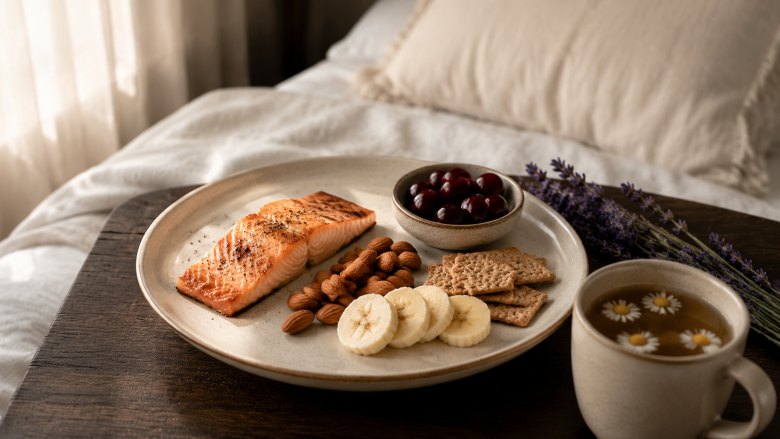
Best combinations: grilled salmon (fatty fish is high in vitamin D and omega-3s, both linked to better sleep) with quinoa and roasted sweet potatoes. Or turkey breast with a small serving of brown rice and steamed broccoli. Keep portions moderate - a plate that's about 50% vegetables, 25% protein, 25% complex carbs. Avoid heavy sauces or high-fat cuts of meat; they slow digestion.
One common mistake: skipping carbs at dinner because of low-carb diets. Carbs are essential for tryptophan transport. If you're strict keto, you might need to adjust your carb timing to have a small portion (like 1/2 cup of rice) only at dinner.
Phase 2: The Snack Window (1-2 Hours Before Bed)
This is where most people go wrong. They reach for a glass of milk or a handful of nuts, which are fine, but not optimized. The ideal snack combines a tryptophan-rich protein with a fast-digesting carbohydrate. The carb triggers a small insulin spike that helps shuttle tryptophan into the brain.
Some of my go-to pairings:
- 1 small whole-grain cracker with 1-2 slices of turkey breast (about 150 calories)
- 1/2 cup plain Greek yogurt with 1 tablespoon honey (honey provides a small glucose boost that helps tryptophan uptake)
- 1 small banana with 1 tablespoon almond butter (banana provides carbs and potassium, which helps muscle relaxation)
- 1/2 cup tart cherry juice - but only if you check the label for added sugar. Unsweetened is best, and limit to 4 ounces.
Most people don't realize that tart cherry juice is more effective when combined with a small carb. On its own, the melatonin in cherries is modest. But pairing it with a cracker or half a banana can improve absorption. I've seen clients who drank cherry juice every night for two weeks with no improvement - then they added a slice of whole-grain bread and suddenly slept deeper.
Phase 3: The Optional Last Bite (30 Minutes Before Bed)
This is only for people who genuinely feel hungry right before sleep - not for boredom or habit. If you need it, keep it under 100 calories. A cup of chamomile tea (which contains apigenin, a mild sedative) or a small glass of warm milk (contains tryptophan) are good options. Avoid anything with sugar; even a small cookie can spike glucose and disrupt sleep later.
One trick I learned from a client: a magnesium glycinate supplement (200-300 mg) taken 30 minutes before bed can help if you're deficient. But food sources like pumpkin seeds or spinach work just as well for most people. If you try magnesium, start with a low dose - some people get loose stools, and that's a clear sign to stop.
The Best Food Pairings for Maximum Absorption
Synergy is the secret sauce. Tryptophan alone is weak. But when you combine it with carbohydrates, you get a 2-3x increase in brain tryptophan levels. Here are three powerhouse pairings backed by both research and real-world experience:
- Turkey + Whole-Grain Crackers: Turkey is lean, high in tryptophan. The crackers provide complex carbs that release glucose slowly, sustaining the insulin response. Avoid processed crackers with hydrogenated oils; look for 100% whole wheat or rye.
- Kiwi + Greek Yogurt: Kiwi is one of the few fruits that naturally contains serotonin, and it's also high in vitamin C and antioxidants. The yogurt adds protein and calcium, which helps the brain use tryptophan. A study in Asia Pacific Journal of Clinical Nutrition found that eating two kiwis one hour before bed improved sleep onset, duration, and quality. Pairing with yogurt makes it even more effective.
- Fatty Fish + Brown Rice: Salmon, mackerel, and sardines are rich in vitamin D and omega-3s, both of which regulate serotonin production. Brown rice provides complex carbs and magnesium. This dinner combination is one of the most effective I've seen for people with chronic insomnia - but it needs to be eaten 3-4 hours before bed to allow digestion.
For a deeper dive on building these habits consistently, check out our guide on How to Form Better Sleep Habits Step by Step.
Common Sleep Disruptors Hidden in 'Healthy' Foods
Not everyone reacts the same way to supposedly sleep-friendly foods. Here are three issues I've encountered repeatedly with clients:
Histamine Intolerance
Foods like aged cheese, fermented vegetables, smoked fish, and even some leftovers are high in histamine. For people with a sensitivity, histamine can cause wakefulness, flushing, or heart palpitations at night. I had a client who ate a bowl of sauerkraut every evening thinking it was healthy - she couldn't figure out why she woke up at 2 a.m. with a racing heart. Once she switched to fresh, low-histamine options (like cucumber slices or plain yogurt), her sleep normalized.
If you suspect histamine issues, try a low-histamine diet for two weeks and note your sleep quality. Common high-histamine foods to avoid before bed: aged cheese, cured meats, fermented foods, avocado, and spinach (cooked spinach is lower than raw).
Magnesium Sensitivity
Magnesium is widely praised for sleep, and for good reason - it helps regulate GABA, the calming neurotransmitter. But some people react to magnesium citrate (the form found in many supplements) with diarrhea or digestive upset. This can disrupt sleep more than it helps. I recommend magnesium glycinate for sleep because it's gentler on the stomach. Start with 100 mg and increase slowly. For food sources, pumpkin seeds, almonds, and black beans are good, but again, watch portion size - too many nuts can cause digestive discomfort.
Sugar and Insulin Spikes
Even natural sugars in fruit can be problematic for some. A large banana or a glass of orange juice before bed can spike blood sugar, then cause a crash a few hours later that wakes you up. This is especially common in people with prediabetes or insulin resistance. If you wake up at 3 a.m. feeling hungry, shaky, or sweaty, that's a sign of a blood sugar crash. Try limiting fruit to 1/2 cup serving and always pair it with protein or fat.
What to Avoid: The Hidden Sleep Saboteurs
Beyond the obvious caffeine and alcohol, there are foods that seem harmless but can wreck your sleep:
- Dark chocolate - even a small piece contains theobromine, a stimulant similar to caffeine. A 70% cocoa bar can have as much as 25 mg of caffeine per ounce. If you crave chocolate, have it at least 4 hours before bed.
- Spicy foods - capsaicin can raise body temperature and cause heartburn, both of which interfere with sleep. If you love spicy food, eat it at lunch, not dinner.
- High-sodium foods - salty snacks can cause dehydration and frequent urination at night. Limit sodium after 4 p.m. and drink water earlier in the day. For tips on staying hydrated without disrupting sleep, see our article on Easy Tips for Better Daily Hydration.
- Alcohol - it's a sedative, but it fragments sleep. Even one glass of wine can reduce REM sleep. If you do drink, have it with dinner, not as a nightcap.
Creating Your Personal Sleep Plate: A Step-by-Step Approach
Here's a practical framework you can start tonight:
- Set your bedtime. Work backward from there. If you go to bed at 10:30 p.m., finish dinner by 7 p.m., have a snack around 8:30-9 p.m., and nothing after 9:30 p.m.
- Choose your dinner combo. Pick one from the fatty fish, turkey, or lean chicken category. Pair with a complex carb (quinoa, brown rice, sweet potato) and vegetables. Keep portions moderate - protein about the size of your palm, carbs about the size of your fist.
- Plan your snack. If you feel hungry between dinner and bed, have a 150-200 calorie snack from the pairings list. Measure it out - don't guess. A handful of almonds is about 1/4 cup, which is 160 calories. That's perfect. But if you eat a full cup, you're over 600 calories.
- Test and adjust. Keep a simple sleep diary for 3 nights. Write down what you ate, when, and how you slept (rate 1-10). Also note if you woke up during the night. After 3 nights, tweak one variable at a time - timing, portion size, or food choice.
- Watch for individual reactions. If you try a new food and feel restless, look up its histamine content or check if it's a common trigger. Some people react to bananas (which are high in serotonin) with vivid dreams or nightmares. If that happens, switch to kiwi or cherries.
I've seen this method work for dozens of people who had given up on food-based sleep solutions. The key is patience and precision. Don't just throw foods at the problem - build a system.
When to Consider a Supplement (and When Not To)
Supplements can be helpful, but they're not a substitute for a good diet. I recommend food first, always. That said, there are situations where a targeted supplement can fill a gap:
- Melatonin: Works best for shifting sleep schedules (like jet lag or shift work). For ongoing insomnia, it's less effective and can cause morning grogginess. I only recommend doses of 0.5-3 mg, taken 30 minutes before bed. Higher doses can backfire.
- Magnesium glycinate: Good for people who have a diagnosed deficiency or who get leg cramps at night. But get your levels tested first; routine supplementation without need can cause imbalances.
- L-theanine: An amino acid found in green tea that promotes relaxation. It's safe and well-tolerated, but only works for some people. I've seen it help with anxiety-related insomnia, but not with sleep maintenance.
The problem with many supplements is that they're unregulated. Look for brands that have third-party testing from USP or NSF International. And never combine multiple sleep supplements without talking to a doctor - you can overdo it.
Real-World Example: How I Helped a Client Fix Her Sleep with Food Timing
One of my most memorable cases was a woman in her late 40s who had been taking over-the-counter sleep aids for years. She ate a healthy diet - lots of vegetables, lean protein, and whole grains. But she was snacking on a handful of almonds and a piece of dark chocolate about 30 minutes before bed. She thought she was doing everything right. When I asked her to move her dinner to 6:30 p.m., have a small snack of Greek yogurt with berries at 8:30 p.m., and cut out the chocolate entirely, she was skeptical. Within three nights, she reported falling asleep faster and waking up only once instead of four times. The dark chocolate was the hidden stimulant, and the timing of her snack allowed her body to digest it before sleep.
That's the power of the Sleep Plate approach. It's not about adding exotic foods - it's about removing the wrong foods and timing the right ones.
Putting It All Together: Your 3-Step Evening Routine
Here's a simple checklist to follow:
- 3 hours before bed: Finish dinner. No heavy fats, no spicy foods, no alcohol. Include a tryptophan source + complex carbs.
- 1-2 hours before bed: Optional snack of 150-200 calories from a pairing. Avoid sugar, caffeine, chocolate, and high-histamine foods.
- 30 minutes before bed: Only if truly hungry - a cup of chamomile tea or warm milk. No food after this.
If you're still struggling, consider that hydration plays a role too. Dehydration can cause headaches and restless legs, while overhydration can lead to night trips to the bathroom. Find your balance - aim for 6-8 glasses of water spread throughout the day, with less in the evening. For more on that, see our Quick Tips to Eat More Whole Foods Daily - whole foods naturally support better hydration and sleep.
Finally, remember that no single food is a magic bullet. The Sleep Plate is a framework, not a prescription. Adjust it to your body, your schedule, and your sensitivities. With consistent experimentation, you'll find what works for you - and that's when the real rest begins.