Last week, I sat on the couch after a long day, feeling that familiar tiredness settling in like a heavy blanket. My legs ached from sitting too much, and a quiet restlessness stirred inside. Then, I stood up for a simple walk around the block, and something shifted—the fresh air and gentle steps brought a calm I hadn't expected. It reminded me how small movements can whisper back to our bodies, easing the weight without any rush.
These moments aren't about big changes; they're invitations to listen. For busy beginners like us, light exercise basics start right there, in the everyday. It's about noticing how a little motion can steady the day.
Tuning Into Your Body's Subtle Whispers
I first noticed my body's cues during quiet afternoons when restlessness crept in. It wasn't loud pain, just a subtle whisper—a tightness in my shoulders or heavy legs after hours at my desk. Tuning in meant pausing to ask: what feels off today?
One afternoon, I stepped outside for a short walk around the neighborhood. The leaves rustled softly, and as I moved, that inner fidget settled. It was like my body saying thank you with each step.
These whispers show up differently for everyone—maybe tiredness after lunch or stiffness in the evening. The key is gentleness: no forcing, just observing. Over time, this awareness builds a steady rhythm.
When tiredness lingers, it helps to breathe deeply and scan from head to toe. I found listing three spots that feel restless on a note helps, without judgment. Small awareness like this opens the door to movement.
Pairing this with an evening wind-down routine for restful nights made evenings feel less scattered. Noticing cues became a habit that carried over naturally.
Everyday Walks That Feel Like a Warm Embrace
Neighborhood strolls became my go-to when days felt overwhelming. I'd lace up comfy shoes and head out for ten minutes, no destination in mind. The steady pace wrapped around me like a warm embrace, easing the day's edges.
Focus on breathing: in through the nose, out slowly. Notice the sidewalk cracks or birds overhead—it pulls you into the moment. I remember one walk where the sunset painted everything golden, turning a restless evening calm.
These walks fit anywhere—a loop after dinner or during a lunch break. They don't demand energy; they give it back gently. For beginners, starting with five minutes builds quiet confidence.
Keep it simple: no tracking miles, just the feel of moving. I paired mine with a favorite podcast, letting stories unfold as my steps did. It turned routine into something welcoming.
Drinking water before helps too—check out easy tips for better daily hydration to make walks even steadier. Hydration keeps the body ready for these gentle outings.
Stretches to Ease Evening Restlessness
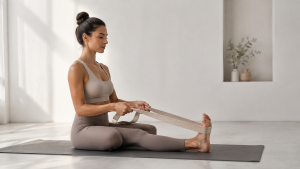
Evenings often bring that wiggle of unrest after dinner. Simple stretches during TV time shifted it for me. Arm circles—small at first, then wider—loosened my upper body without effort.
Stand or sit, extend arms out, and circle slowly forward ten times, then back. Feel the shoulders drop. Neck rolls followed: tilt gently side to side, holding for a breath.
These moves fit right into wind-down moments. I did them while waiting for tea to steep, turning wait time into ease. The restlessness faded, leaving a softer landing into night.
No mat needed; just space by the couch. Breathe steadily—inhale up, exhale release. Over days, this became a ritual that steadied my evenings naturally.
Breathing Easy with Seated Gentle Flows
Busy days at the desk called for chair yoga basics. Seated twists released my back without leaving my spot. Sit tall, hand on opposite knee, twist gently, hold for three breaths.
Follow with shoulder shrugs: up on inhale, down on exhale. It melted tension I didn't realize was there. One workday, this five-minute flow cleared my foggy head.
These flows stay grounded—no balancing acts. Add ankle circles for lower legs. I noticed steadier energy afterward, ready for the next task.
Do them during calls or breaks. The seat keeps it accessible. Breathing ties it together, making each move feel supportive.
Four Gentle Steps to Weave Light Movement In
Weaving in light movement starts small. Here's a simple path with four steps, drawn from my weekend resets.
- Pick one move that feels easy. Choose walking, arm circles, or a seated twist—whatever whispers least resistance. I started with neighborhood strolls on Saturdays, keeping it light.
- Set a 5-minute timer daily. No more, just enough to dip in. Phone timer works; place it where you sit most. My reset began post-coffee, building a gentle cue.
- Notice how your body feels after. Does it feel looser, calmer? Jot one word: steady, tired, open. After walks, I felt a quiet lift, like fog clearing.
- Adjust based on what brings calm. If mornings suit better, shift there. Swap moves if one clicks more. Weekends taught me evenings worked best for stretches.
This sequence turned sporadic tries into rhythm. During one reset, pairing steps with tea made it inviting. Small adjustments kept it sustainable.
Stick to these without pressure. Real life weaves in naturally—busy weeks still found space. It builds from within.
What Helped Me Find a Steady Rhythm
Consistency came through tiny wins, not grand plans. Pairing walks with podcasts kept me coming back—stories distracted from any hesitation.
Tracking feelings, not steps, motivated me. A quick note: "calm after" built quiet proof. It shifted my view to what felt good.
Forgiving off days helped most. One missed walk? Next day resumed gently. This kindness fueled the rhythm.
Sharing with a friend added warmth—texting "just walked" sparked encouragement. Small connections amplified it. What might help you? Start with one pair that fits your day.
Your Gentle Experiment: One Week of Easy Steps
For the next seven days, try five minutes of daily walking or stretching. Pick the same time, like after breakfast. Notice changes without measuring.
Reflect nightly: What small shift felt steady? Jot it down in a notebook—what one word sums the calm?
This experiment invites discovery. It might reveal a favorite move or time. What small shift felt steady? Jot it down tonight.
After a week, pause and sense the difference. Adjust or repeat. Gentle paths unfold this way.
Linking to how to form better sleep habits step-by-step supported my experiments, as movement eased into restful nights seamlessly.
Frequently Asked Questions
What's the easiest light exercise for total beginners?
A short walk around the block meets you right where you are—no gear, no rush. Start slow, maybe just to the corner and back, breathing steadily. It builds calm through simple motion, and many find it becomes a daily anchor.
How do I fit this into a packed day?
Link it to something you already do, like after your morning coffee or before bed. A five-minute timer keeps it brief and doable. Over time, these pockets create space without reshaping your schedule.
What if I feel sore afterward?
That's often your body adjusting to new movement; ease back and breathe through it slowly. Shorten the time or choose gentler stretches next. Listen to those whispers—they guide you toward what feels steady.
Do I need special clothes or gear?
No, comfy layers and shoes you like walking in are plenty—keep it everyday simple. Layers let you adjust to weather, and familiar shoes build comfort. Focus stays on the feel, not the outfit.
How will I know it's helping?
Notice quieter evenings or a touch more calm in restless moments—small signs add up gently. Jot feelings before and after to spot shifts. These subtle changes whisper progress without fanfare.