I remember those afternoons when the couch called louder than any gym membership, my body feeling heavy and restless after a long day at my desk. One rainy Tuesday, I noticed how a simple shift—pairing my phone scroll with a slow walk around the living room—brought a quiet steadiness without adding "exercise" to my to-do list. These tiny weaves of movement into the ordinary have become my gentle rhythm, reminding me that staying active doesn't need force; it blooms from the everyday.
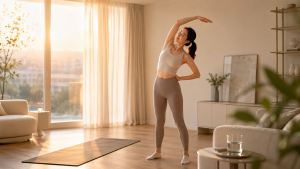
That first step often happens right at dawn, when light filters through the curtains. I stand by the window, mug in hand, and let my hips sway softly side to side. It's like greeting the day with a whisper, easing out the morning stiffness without a single push-up.
Morning Window Sways: Starting Soft
The kitchen window overlooks my small garden, where birds hop about as I sip my coffee. I place one hand on the sill for balance and sway gently—left, right, like a slow dance with the steam rising from my cup. This takes no extra time; it just layers a bit of flow into those first quiet moments.
At first, I felt a little silly, but soon the sway matched my breath, loosening tight shoulders from sleep. My legs woke up gently, carrying a subtle steadiness into the hours ahead. No rush, just a soft start that carried me through emails without that heavy drag.
Try it tomorrow: let your upper body join in with loose arm swings if it feels right. Notice how the fresh air through the cracked window adds a calm lift. It's one of those small rituals that sticks because it feels kind, not forced.
Phone Call Pacing: Talks That Move You
During a work call last week, I caught myself fidgeting at my desk, legs antsy under the table. Instead of sitting still, I stood and paced slowly across the room, phone to ear. The conversation flowed the same, but my restless energy found a quiet outlet in those steps.
Pacing isn't about speed—it's a gentle back-and-forth, maybe five feet one way, then the other. I keep my voice steady, letting my feet handle the wiggle. Friends on the line never notice; they just hear me sounding more present.
This trick shines on longer calls, like catching up with family. My mind stays sharper, less foggy, as the movement nudges blood along without fanfare. Over time, those minutes add up, weaving activity into chats that already fill my day.
If you're linking this to a 7-Day Beginner Movement Routine for Wellness, it fits right in as an easy daily thread. The pacing builds that base rhythm naturally.
Kitchen Flow While Chopping Veggies
Evenings in the kitchen used to leave me tense, knife in hand, body planted like a stump. Now, as I chop carrots or onions, I shift my weight from one foot to the other in a subtle rhythm. The board thumps steadily, matching my hip sways, turning prep into a flowing hum.
It's rhythmic: chop, shift left, chop, shift right. My back stays tall, but the lower body moves freely, easing the day's hold. The scent of garlic rises, and suddenly dinner feels less like a chore, more like a gentle unwind.
One night, after a full day, this flow kept me calm amid the sizzle of the pan. No extra steps needed—just borrowing the chopping beat for movement. It quiets that end-of-day ache, leaving room for a relaxed meal.
For a softer entry, start with softer veggies like zucchini; they're forgiving. Feel how your core engages lightly with each shift. These kitchen moments stack up, nurturing steadiness without a workout plan.
Desk Tide Breathing with Arm Circles
Mid-afternoon slumps hit hard, eyes glazing at the screen. I pause, roll my chair back, and do slow arm circles—forward five times, back five—while breathing deep from my belly. The desk becomes my quiet tide, rising and falling with each circle.
Arms loose, not high or forceful, just orbiting like soft waves. Inhale as they lift forward, exhale circling back. It counters the hunching, bringing a fresh steadiness to my posture without leaving my spot.
During a recent project crunch, these circles broke the fog every hour. Shoulders dropped, breath deepened, and focus returned gently. It's invisible to others, yet it shifts that tired weight off my chest.
Pair the circles with desk stretches if needed—fingers to sky, then sides. Notice the calm that settles in your neck. This weave keeps the workday humane, one breath at a time.
Four Steady Steps to Weave Movement In
- Spot one daily anchor, like pouring coffee or waiting for the kettle. Add a 1-minute sway or pace right there—no timer, just until it feels familiar. This plants the seed without overwhelming your routine.
- Pair it with something you already love, such as your favorite playlist or podcast. The joy glues it in place, turning movement into a companion rather than a task. Let the familiarity build quiet momentum.
- Notice the calm shift without judging—did your legs feel less heavy? Jot one word in a note app if it helps. Awareness grows the habit softly, celebrating tiny steadiness.
- Layer in a second anchor after 3 days, maybe desk circles during emails. Keep the first one going; layers create a gentle web. Patience here invites lasting flow.
These steps unfolded for me over a week, transforming scattered moments into a cohesive rhythm. Each one built on the last, easing me into more without effort.
What Helped Me (and Might Help You)
Looking back, the real shift came in fewer restless evenings, where I'd otherwise slump scrolling endlessly. These weaves brought a subtle energy that lingered, making bedtime feel earned and calm. I slept deeper, waking with less drag.
One small win was during busy weeks—pacing calls meant less afternoon haze. My mood steadied, conversations brighter. It wasn't dramatic, just a reliable undercurrent.
Sharing this with a friend led to her trying kitchen flows; she noticed steadier hands while cooking. For me, tying it to an Beginner's Guide to Light Exercise Basics deepened the ease. What might yours be?
Restless afternoons faded as desk circles became reflex. Body awareness grew, spotting tension early. These threads wove a tapestry of quiet activity.
When evenings felt heavy, morning sways set a kinder tone for the day. Less couch pull overall. Small consistencies compounded into real steadiness.
It helped when I forgave off days—no guilt, just return. That grace kept the rhythm alive. You might find your anchors reveal hidden calm pockets.
Your Gentle Experiment
For the next 5 days, pick one anchor—like pacing during a phone call—and weave in the movement daily. Keep it light: no pressure for perfection. Journal briefly each evening: How did your energy feel before and after? Did a quiet steadiness emerge?
This experiment invites curiosity over commitment. Notice without force—maybe legs less heavy, mind less scattered. What small shift surprises you?
One gentle action: Right now, name your first anchor and sway for 30 seconds. How does that feel? Reflect tonight: What carried over?
To extend it, blend with an Evening Wind-Down Routine for Restful Nights afterward. The combo nurtures full-day flow.
Frequently Asked Questions
Can these tips really count as staying active?
They're small threads of movement woven into your day, building a steady hum over time. They ease that tired, restless pull without needing big blocks of effort. Many notice lighter steps and calmer energy as the habit layers in gently.
What if my day is packed with no breaks?
Lean into anchors already baked into your routine, like brushing teeth or stirring tea—turn them into soft sways or shifts. These micro-moments slip in unnoticed, accumulating flow amid the rush. Start with just one to feel the subtle lift.
I forget easily; any reminders?
Set phone alarms linked to habits, like "coffee sway" at brew time, or place sticky notes by your desk or window. Gentle cues like these nudge without nagging, helping the rhythm root softly. Over days, it becomes second nature.
Does this help if I'm feeling low energy?
It invites a calm lift through slow, breath-tied motions, one gentle circle or pace at a time. No push required—the movement meets you where you are, easing fog without drain. Many feel a quiet steadiness emerge after a few tries.
How do I know it's working?
Listen for small signs: steadier moods, less pull toward the couch, or easier breaths during the day. These add up quietly, revealing a body that feels more at home in motion. Track one feeling daily to spot the shift.