Why Your Pre-Workout Snack Should Match Your Workout, Not Just Your Pantry
Most pre-workout snack lists are a one-size-fits-all disaster. A banana and peanut butter might be perfect for a 10-mile run, but it could leave you nauseated during a heavy squat session. I learned this the hard way when I wolfed down a large apple with almond butter 20 minutes before a HIIT class and spent the first round of burpees fighting off acid reflux. The truth is, the best pre-workout snack depends on three things: your workout type, your digestion tolerance, and your calorie goal.
In this guide, I'll give you a decision matrix that maps snacks to specific workout types, share digestive-safe swaps for sensitive stomachs, and show you how to hit 30g of protein in a single snack without shakes. You'll also learn why two bananas can be a smart move for some sessions and a terrible idea for others, and how to avoid the hidden cortisol spike that some pre-workout snacks can trigger.
If you're new to structuring your workouts around snack timing, our Weekly Home Workout Plan for Newbies can help you align your fueling with a consistent schedule. And for the bigger picture of hydration and meal timing, the Daily Hydration and Snack Plan Made Easy is a solid companion piece.
The Decision Matrix: Snack by Workout Type
Rather than memorizing a generic list, use this matrix. Pick your workout type, then choose the snack that fits your timing and tolerance. The key variable is how much blood flow your digestive system can spare while you exercise.
Strength Training / Heavy Lifting (low reps, high intensity, longer rest periods)
Your body needs a steady flow of energy without spiking insulin too high. You also need to avoid any food that sits heavy in the stomach during the brace of a deadlift. I've coached lifters who swear by a single rice cake with a thin layer of almond butter 30 minutes before lifting. The rice cake provides fast-digesting carbs for immediate power, while the almond butter adds a tiny bit of fat to slow the release without causing GI distress.
- Ideal snack: 1-2 rice cakes + 1 tbsp almond butter (about 150-200 calories, 4g protein, 22g carbs, 8g fat)
- Timing: 30-45 minutes before
- Why it works: Low fiber, low volume, easy to digest. The carb-to-fat ratio is enough for a 45-60 minute session without backfiring.
What can go wrong: If you add a full banana to this, you might feel bloated from the fiber and fructose. For some lifters, bananas trigger a feeling of fullness that interferes with abdominal bracing. A better option if you want more carbs: swap the rice cakes for a piece of sourdough bread (easier to digest than whole wheat) and skip the banana.
HIIT / CrossFit / Interval Training (short bursts, high heart rate, minimal rest)
HIIT demands rapid energy from glycogen stores. You need carbs that hit the bloodstream fast but don't cause a sugar crash. The most common mistake I see is people eating a high-fiber granola bar before HIIT. The fiber slows digestion, and combined with the bouncing and jumping, you end up with cramps.
- Ideal snack: 1/2 cup of unsweetened applesauce + 1 scoop of collagen peptides (about 140 calories, 12g protein, 18g carbs, 0g fat)
- Timing: 20-30 minutes before
- Why it works: Applesauce is mostly simple sugars with no fiber, so it digests rapidly. Collagen peptides are a pure protein that doesn't contain tryptophan or other amino acids that might cause drowsiness. The combination provides immediate energy plus a small protein pulse to protect muscle from catabolism.
Alternative for those who prefer solid food: 1/2 a banana (not a whole one) with a date. The date gives you concentrated glucose, and the half banana adds potassium without the volume that might cause sloshing. This is a common trick among competitive CrossFitters.
Endurance / Long Cardio (60+ minutes steady state, running, cycling, swimming)
Endurance sessions require sustained fuel and electrolyte support. You also need to be mindful of sodium loss. Most people overdo the fiber here - a large apple with peanut butter is a classic endurance snack, but the fiber can cause side stitches during a long run. Instead, go for simple carbs with a small amount of protein to stabilize blood sugar.
- Ideal snack: 1 small banana + 1 tbsp honey (drizzled on the banana) + a pinch of salt (about 200 calories, 1g protein, 50g carbs, 0g fat)
- Timing: 45-60 minutes before
- Why it works: The banana provides potassium, the honey gives quick glucose, and the salt helps with early hydration. The lack of fiber and fat means your stomach is nearly empty by the time you start running.
Edge case: If you're doing a 90-minute run, you may need to top off during the workout. But that's a different topic. For the pre-workout window, this snack is sufficient. And if you're doing a morning fasted run, skip this - fasted cardio has its own benefits, but that's outside this article's scope.
Yoga / Pilates / Low-Intensity Movement
You might think you can eat anything before a slow flow, but some foods can cause bloating that makes forward folds uncomfortable. I've seen plenty of people eat a big salad with lentils before a yoga class and regret it halfway through a seated twist.
- Ideal snack: 1/2 cup of low-fat cottage cheese + 1/2 cup of blueberries (about 150 calories, 14g protein, 15g carbs, 2g fat)
- Timing: 60-90 minutes before
- Why it works: Cottage cheese is a slow-digesting protein that provides steady amino acids without causing gas for most people. Blueberries are low on the FODMAP scale and won't cause bloating. The extra time allows for partial digestion.
If you're dairy-sensitive, try 1 ounce of lean turkey or chicken breast with a small apple 90 minutes before. That's a non-bloating, low-fat protein option.
What Should I Eat 30 Minutes Before the Gym?
Thirty minutes is a tight window. Your body can't handle much volume or fiber. The best bet is a liquid or semi-liquid snack that's mostly simple carbs with a tiny bit of protein. Here are three proven options:
- Option 1: 1/2 cup of fruit juice (orange or grape) + 1/2 scoop of whey protein (about 150 calories, 15g protein, 20g carbs). Stir and drink.
- Option 2: 1 small banana (cut into pieces) mixed into 1/2 cup of plain Greek yogurt. The yogurt adds protein and probiotics, but be careful: if you're lactose intolerant, this can cause gas. Use a lactose-free yogurt instead.
- Option 3: 2-3 Medjool dates (pitted) + a pinch of salt. Dates are pure glucose and fructose, incredibly easy to digest. The salt replaces some electrolytes. I've used this before sprint sessions and it works like a charm.
The biggest mistake people make is eating a dense, high-fat snack like a whole avocado or a handful of nuts 30 minutes before. Fat slows gastric emptying - you'll feel heavy and sluggish. Save those for after your workout or at least 2 hours before.
Can Pre-Workout Cause High Cortisol? (And How Your Snack Plays a Role)
Yes, and it's not just about the caffeine in your pre-workout supplement. The type of carbohydrate you eat can spike cortisol indirectly. When you eat a high-sugar snack with no protein or fiber - like a sports drink or a candy bar - your blood sugar spikes and then crashes. That drop triggers a stress response, releasing cortisol to bring your blood sugar back up. This is a known phenomenon in sports nutrition research.
To avoid this, pair your carbs with a small amount of protein. For example, instead of having a banana alone, have half a banana with a scoop of collagen or a slice of lean turkey. The protein slows down the glycemic response, reducing the chance of a cortisol spike. This is especially important for people who are already under chronic stress or have adrenal fatigue.
Another factor: overtraining combined with under-eating. If you're doing high-intensity sessions on a calorie deficit, your cortisol levels may already be elevated. Adding a low-calorie, high-stimulant pre-workout can push you over the edge. For a deeper look at how to balance your overall nutrition and hydration, check out our Daily Hydration and Snack Plan Made Easy.
How to Get 30g of Protein in a Pre-Workout Snack (Without a Shake)
Most people think 30g of protein requires a protein shake. But you can achieve it with whole foods, as long as you know the right combos. The challenge is that protein is satiating and can be heavy, so you need to eat it early enough (at least 90 minutes before) or choose a fast-digesting source.
Option A: The 3-Ingredient Pre-Workout Bowl
- 1/2 cup nonfat Greek yogurt (12g protein)
- 1/2 cup low-fat cottage cheese (14g protein)
- 1 tbsp chia seeds (3g protein, plus fiber)
- Total: 29g protein, about 220 calories, with some carbs from the yogurt. Perfect for a session that starts 90 minutes later.
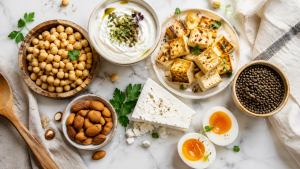
Option B: The Savory Plate (great for vegetarians)
- 2 hard-boiled eggs (12g protein)
- 1/2 cup edamame (9g protein)
- 1 slice of whole-grain toast (4g protein)
- Total: 25g protein, plus you can add a sprinkle of nutritional yeast (2g per tbsp) to hit 30g. This is a solid pre-workout snack for strength training if eaten 2 hours before.
Option C: The Liquid Meal (for 30 minutes before)
- 1 cup of milk (8g protein) + 1 scoop of collagen (10g protein) + 1/2 cup of raspberries (1g protein) + 1 tbsp of peanut butter powder (6g protein) = 25g protein. Add a splash of egg whites (pasteurized) for an extra 5g, making it 30g. Blend and drink.
Many people don't realize that collagen peptides are a quick, tasteless way to add protein to any snack without digestive issues. They're not a complete protein source, but combined with dairy or eggs, they become a full amino acid profile.
Is 2 Bananas Good Pre-Workout?
It depends on the situation. Two bananas provide about 200-220 calories, 50g of carbs, and 1g of protein. That's a lot of simple carbs with minimal fiber if the bananas are ripe. For a long endurance session (60+ minutes), two bananas can be a solid choice because they provide potassium and fast energy. I've used the two-banana trick before a 10-mile run and felt great.
But for HIIT or strength training, two bananas can be too much volume and sugar. The high sugar load can cause a reactive hypoglycemia for some people - you get a quick spike, then a crash about 30 minutes into the workout. This is especially common if you're not used to that much sugar. Also, the fiber in bananas (especially if they're not fully ripe) can cause gas and bloating during high-impact movements.
The rule of thumb: One banana is almost always fine. Two bananas is okay only if you're doing steady-state cardio for more than 60 minutes and you're eating them at least 45 minutes before. If you're doing anything else, stick with one and pair it with a protein source.
Digestive-Safe Swaps: What to Avoid and What to Use Instead
GI distress during a workout is miserable. Here are the most common triggers and better alternatives:
| Problematic Food | Why It Causes Issues | Better Swap |
|---|---|---|
| Whole apple | High fiber (4g), takes time to digest, can cause gas | Applesauce (no added sugar) - same taste, no fiber |
| Almonds / walnuts (handful) | High fat (15-20g), slows gastric emptying | Almond butter (1 tbsp) - lower volume, still some fat but less |
| Oatmeal (large bowl) | High fiber and volume, can cause bloating | Rice cakes or cream of rice (instant, low fiber) |
| Whole wheat bread | Fiber and phytic acid can irritate sensitive stomachs | Sourdough bread or white bread - easier to digest |
| Greek yogurt (full-fat, 2%+) | Fat slows digestion, can cause reflux | Nonfat Greek yogurt or lactose-free yogurt |
| Protein bars with chicory root fiber | Fiber can cause gas and bloating | Make your own: 1 scoop protein + 1 tbsp almond butter + 1 date - blend, roll into balls |
Most people don't realize that artificial sweeteners (like sorbitol, xylitol, and erythritol) in many pre-workout snacks can cause bloating and diarrhea during exercise. Even "sugar-free" options are not safe for everyone. Stick with whole foods or simple sugars.
Calorie Targets: Portion Guidance for Weight Loss vs. Performance
Your pre-workout snack should be proportional to your goals. Here's a simple framework:
- Weight loss / fat loss: Keep your pre-workout snack under 150 calories. You want enough energy to perform, but not enough to offset your deficit. Good options: 1/2 banana + 1/2 scoop protein (around 120 calories), or 1 rice cake + 1 tbsp hummus (100 calories). Avoid liquid calories like juice or sports drinks unless you're doing a long session.
- Performance / muscle building: Aim for 200-300 calories with a 3:1 or 4:1 carb-to-protein ratio. Example: 1 cup of cooked white rice + 3 oz chicken breast (300 calories, 25g protein, 45g carbs). This is ideal for a session 2 hours out.
- General fitness / maintenance: 150-200 calories with a balanced macronutrient profile. The rice cake + almond butter example works well here.
One thing the fitness industry doesn't tell you: if you're eating a snack that is too low in calories for your body weight, you may feel weak and lethargic. A 120-pound person might do fine with a 100-calorie snack, but a 200-pound person lifting heavy might need 300 calories. Adjust based on your own hunger and performance cues.
High-Protein Snack Hack for Vegetarians (No Shakes, No Soy)
Vegetarians often struggle to get enough protein in a pre-workout snack without resorting to a processed protein shake. Here's a simple hack that I've used with clients: make a batch of lentil-dates bites. Cook 1/2 cup of red lentils (they cook in 10 minutes and are easy to digest), then mash them with 4-5 Medjool dates, a pinch of salt, and 1 tbsp of coconut oil. Roll into small balls. Each ball has about 6g protein and 15g carbs, with very low fiber (the lentils are cooked, which reduces fiber harshness). Eat 2-3 balls 60 minutes before a workout.
Another option: scrambled tofu with nutritional yeast. Scramble 1/2 block of firm tofu (about 10g protein) with 1 tbsp of nutritional yeast (4g protein) and a pinch of turmeric. Add a small tortilla (3g protein) for a wrap. Total: 17g protein. Add a handful of spinach (1g) and you're at 18g. Not quite 30g, but for a light snack, it's decent. For a higher protein option, mix in some seitan (about 20g per 3 oz) or use a vegan protein powder stirred into a small bowl of oatmeal.
Junk-Food Style Snacks That Actually Work
Sometimes you crave a treat. The good news: some junk foods can be strategic pre-workout snacks because they're low in fat and fiber and high in simple carbs. Here are three that I've tested myself:
- Gummy bears (a handful, about 1 oz): 100 calories, 25g sugar, zero fat. The glucose in gummy bears is almost instant energy. This is a popular trick among endurance athletes for a mid-workout boost, but it works pre-workout too. Just don't eat a whole bag - 15-20 bears is enough.
- White bread with jam: Two slices of white bread (about 140 calories) + 1 tbsp of jam (50 calories) = 190 calories, 40g carbs, 3g protein, minimal fat. This is almost identical to the structure of a commercial energy gel, but cheaper and tastier.
- Pretzels: 1 oz of pretzels (about 110 calories, 23g carbs, 1g protein, 1g fat). They're high in sodium, which helps with hydration, and low in fiber. I've had pretzels before a long bike ride and felt great.
Caveat: These are not for people with diabetes or blood sugar regulation issues. They're also not ideal for strength training where you need sustained energy. But for a quick energy boost before a 30-minute HIIT session, they work surprisingly well.
Putting It All Together: A Sample Pre-Workout Snack Schedule
To make this actionable, here's a sample week based on different workout types. Adjust portions to your body size and goals.
- Monday: Heavy Squat Day (Strength) - 2 hours before: 1 cup white rice + 3 oz chicken breast. 30 minutes before: 1 rice cake with 1 tbsp almond butter.
- Tuesday: HIIT Circuit - 45 minutes before: 1/2 cup applesauce + 1 scoop collagen.
- Wednesday: Yoga (Restorative) - 90 minutes before: 1/2 cup cottage cheese + 1/2 cup blueberries.
- Thursday: Endurance Run (60 min) - 60 minutes before: 1 small banana + 1 tbsp honey + pinch of salt.
- Friday: Strength (Upper Body) - Same as Monday but with half the rice portion if you're cutting weight.
- Saturday: Long Hike (2+ hours) - 90 minutes before: 2-banana smoothie with 1 scoop protein and a splash of milk.
- Sunday: Rest - No pre-workout snack needed.
This schedule is not set in stone. Experiment with different foods and timings. Keep a log of what you eat and how you feel during the workout. Within two weeks, you'll know your personal best pre-workout snack.
Final Takeaway: The Best Pre-Workout Snack Is the One You Digest Well
Every article on this topic lists the same five foods. But the real key is personalization. Start with the decision matrix above, then pay attention to your body's signals. If you feel bloated, heavy, or nauseated, adjust the timing, portion, or food choice. And if you're new to structuring your routine, the Weekly Home Workout Plan for Newbies can help you build a consistent schedule that aligns with your fueling.
Remember: your pre-workout snack is fuel, not a reward. Treat it as part of your training, and you'll see the difference in your performance and recovery.