Why Most Vegetarians Are Missing a Simple Protein Plan
When I first went vegetarian, I thought I was doing everything right. I ate beans, brown rice, and the occasional veggie burger. I felt fine for a few months. Then I started waking up tired, my hair seemed thinner, and I was hungry an hour after meals. I assumed I was eating enough protein, but I had never actually counted. So I did. I was getting around 40 grams a day, maybe 50 on a good day. That is roughly half of what a moderately active adult needs.
This is the gap most plant-based eaters fall into. The good news? You can hit 100 grams of protein daily without protein powder, without eating eggs at every meal, and without spending hours in the kitchen. This article is your practical cheat sheet: a sample meal plan, a ranking of the top five highest-protein vegetarian foods by exact grams, and a checklist of signs you might be falling short. I have been doing this for years now, and I have learned what works and what does not.
How to Get 100g of Protein a Day as a Vegetarian (The Meal Plan That Works)
People often ask, "How can I get 100g of protein a day as a vegetarian?" The answer is straightforward: stack high-protein foods at every meal. Do not rely on a single ingredient. Build a day that looks like the one below. This plan hits about 100-110 grams of protein for around 1,800 calories, which is suitable for most active adults. Adjust portions up or down based on your calorie needs.
Sample 100g Protein Day (Flexible Lacto-Ovo)
Breakfast (30g protein): 1 cup plain Greek yogurt (20g) + 2 tablespoons hemp seeds (10g) + 1 cup berries. No yogurt? Use 1 cup cottage cheese (28g) or 2 scrambled eggs (12g) with 1/2 cup black beans (7g) and a slice of whole wheat toast (4g).
Lunch (30g protein): 2 cups lentil soup (18g) + 1 whole wheat pita (6g) + 1 ounce pumpkin seeds (7g) sprinkled on top. Or a quinoa bowl with 1 cup cooked quinoa (8g), 1/2 cup chickpeas (7g), 1/2 cup edamame (8g), and a tablespoon of tahini (3g) - plus a handful of spinach (1g).
Snack (15g protein): 1 cup of milk (8g) or soy milk (8g) + 1 ounce almonds (6g) or a protein bar with at least 15g protein (check the label; many are low).
Dinner (30g protein): 5 ounces firm tofu (12g) or 4 ounces tempeh (20g) stir-fried with 1 cup broccoli (3g) and 1/2 cup edamame (8g) + 1 cup cooked brown rice (5g). Drizzle with a tablespoon of sesame seeds (2g).
Total: ~105g protein.
That is the blueprint. The thing nobody tells you about is that the biggest leverage point is breakfast. Most people eat a grain-based breakfast like oatmeal or toast, which gives them maybe 5-10 grams. If you start the day with 30 grams, you are already one-third of the way there. It makes the rest of the day effortless.
Top 5 Highest-Protein Vegetarian Foods (Exact Grams per Serving)
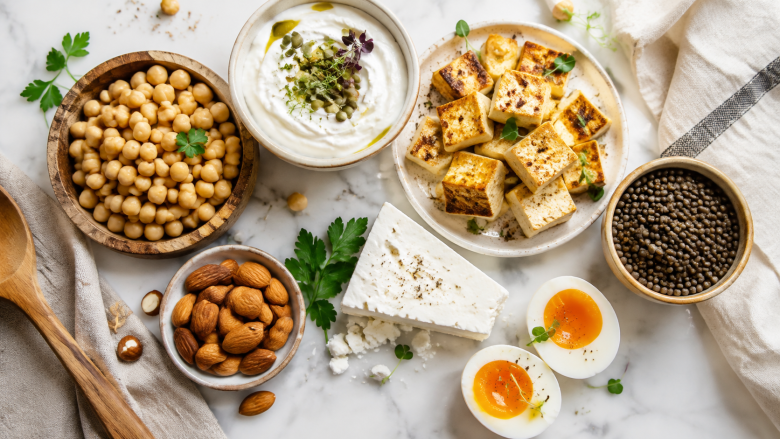
Another common question: "What vegetarian food is highest in protein?" The answer depends on whether you eat dairy and eggs. For pure density, seitan is the king. But for everyday eaters, tempeh, lentils, and Greek yogurt are more practical. Here is a quick-reference table of the top five highest-protein vegetarian foods, measured in grams of protein per 100 grams (cooked weight unless noted).
| Food | Protein (g per 100g) | Notes |
|---|---|---|
| Seitan (wheat gluten) | 75g | Made from gluten; avoid if gluten-sensitive. Very low in fat and carbs. Best used in stir-fries or sliced as a deli meat. |
| Non-fat Greek yogurt | 10g | Per 100g. A 200g serving (about 1 cup) gives 20g. Check labels - some brands add sugar and lower protein. |
| Tempeh | 20g | Fermented soybean cake. Nutty flavor, firm texture. Higher protein than tofu. Steam or crumble before cooking. |
| Lentils (cooked) | 9g | Per 100g cooked. A cup (200g) gives 18g. Red lentils cook faster, brown lentils hold shape better. |
| Hemp seeds | 31g | Per 100g. A tablespoon (10g) gives 3g. Easy to sprinkle on anything. Also contain healthy omega-3s. |
Note: Tofu (firm) is around 8g per 100g, and so is cottage cheese (11g per 100g). Eggs are about 13g per 100g (about 6g per large egg). This table focuses on the top five by density. For a deeper dive on tracking your own protein intake, you might find our thigh protein calculator useful for estimating portion sizes, though it is designed for meat-based protein - it gives you a sense of how to think about grams per serving.
How to Increase Protein Without Overthinking It
Many people ask "How do vegetarians increase protein?" The answer is not about adding one superfood; it is about making small swaps and additions. Here are the strategies that have worked for me and my clients.
Swap Your Grains
Replace white rice with quinoa or amaranth. Quinoa has 8g protein per cooked cup, while white rice has 4g. That is a 4-gram upgrade for zero extra effort. Similarly, choose whole wheat pasta over regular (about 12g vs 8g per serving).
Add a Handful of Seeds or Nuts to Every Meal
Hemp seeds, pumpkin seeds, almonds, and peanuts are easy to sprinkle. Two tablespoons of hemp seeds add 6g protein. A small handful of almonds (about 1 ounce) adds 6g. Do this at breakfast, lunch, and dinner, and you have gained 18g without changing your main dishes.
Use Dairy or Soy Milk Instead of Plant Milks with Low Protein
Almond milk has 1g protein per cup. Oat milk has 3g. Cow's milk has 8g, and soy milk has 8g (check the label - some brands are lower). If you drink two cups a day, that is a 14g difference between almond milk and soy milk. That is substantial.
Don't Forget About Eggs
If you are lacto-ovo, two eggs at breakfast or lunch give you 12g protein. Hard-boiled eggs make an easy snack. If you are vegan, you can use tofu scramble (firm tofu crumbled with nutritional yeast and turmeric) - 1/2 cup has about 8g.
The Most Common Mistake: Relying on Beans Alone
When I first tried to increase protein, I ate a lot of black beans and kidney beans. They are good, but they also contain fiber that can cause gas and bloating if you eat too much too quickly. One cup of cooked beans has about 15g protein, but also 15g of fiber. That is a lot for some digestive systems. The trick is to combine beans with other high-protein foods and to start with smaller portions if you are not used to high fiber. Lentils are easier on the stomach than beans because they have less indigestible fiber. Also, soaking and cooking beans thoroughly reduces the gas-producing compounds.
5 Signs You Are Not Getting Enough Protein (And What to Do About It)
One of the most searched questions is "What are the 7 signs of protein deficiency?" While there are many possible symptoms, I have found that five are the most common and actionable for vegetarians. If you recognize several of these, it is worth checking your intake.
- Constant hunger, especially soon after meals. Protein is the most satiating macronutrient. If you are ravenous an hour after eating, your meal likely had too few grams. Aim for at least 20g per meal.
- Weakness or fatigue that is not explained by sleep. Protein is needed for muscle repair and enzyme production. Low protein can leave you feeling flat. I noticed this when I was eating 50g a day; I felt like I was dragging through afternoons.
- Hair thinning or brittle nails. Hair and nails are made of keratin, a protein. When the body is short on protein, it prioritizes vital functions over hair growth. This is a slower sign, but if you notice your hair is shedding more than usual, check your protein.
- Slow recovery after exercise. If you work out and feel sore for days, or your muscles do not seem to repair, you may not be getting enough protein to rebuild muscle fibers. The general recommendation for active people is 1.6-2.2 grams of protein per kilogram of body weight. For a 70kg person, that is 112-154g daily.
- Frequent illness or poor wound healing. Protein is essential for the immune system. Antibodies are proteins. If you get colds often or cuts take long to heal, low protein could be a contributing factor.
If you experience these, try tracking your protein intake for three days using an app like Cronometer. Do not guess. I was shocked when I saw my actual numbers. Then use the meal plan above to bump up each meal. Within a week, you should feel more energetic and satisfied.
Protein Combining: The Myth That Won't Die
You have probably heard that vegetarians need to combine incomplete proteins at the same meal - like rice and beans - to make a complete protein. This is a myth that has been debunked for decades. The body maintains a pool of amino acids from the day's meals, so as long as you eat a variety of protein sources over the course of a day, you get enough essential amino acids. You do not need to eat them together. That said, there is no harm in pairing foods, but do not stress about it. I usually eat lentils with rice because it tastes good, not because I think I need to combine them.
One exception: if you are eating a very limited diet, like only wheat-based foods, you might fall short in lysine. But if you eat any legumes, nuts, seeds, or soy, you are fine. The most common complete protein sources for vegetarians are soy (tofu, tempeh, edamame), quinoa, amaranth, buckwheat, and all animal products (dairy, eggs). If you are vegan, focus on soy and quinoa.
How to Eat More Protein Without Gaining Weight (The Calorie Trade-Off)
High-protein foods are often higher in calories, especially nuts, seeds, and full-fat dairy. If you are trying to maintain or lose weight, you need to choose lower-calorie, high-protein options. The best choices are: non-fat Greek yogurt, egg whites (if you eat eggs), tofu, tempeh, seitan, lentils, and edamame. These are relatively low in fat and calories per gram of protein. For example, 100g of seitan has 75g protein and only about 150 calories. That is an incredible protein-to-calorie ratio. Nuts, in contrast, have about 20g protein per 100g but also 600 calories - you can eat them, but in small portions.
I have found that the most effective way to increase protein without gaining weight is to replace some of the fats and carbs in your meals with protein-rich foods. For instance, use a lentil-based sauce instead of a cream sauce, or swap half your rice for quinoa. Use a tool like our protein and vitamin C calculator to see how your meals stack up in terms of both protein and micronutrients.
What About Protein Powder? When It Helps and When It Does Not
I am not against protein powder, but I think it should be used as a supplement, not a foundation. If you are struggling to get enough protein from whole foods, a scoop of pea or soy protein powder in a smoothie can add 20-25g easily. However, many people rely on it and neglect whole food sources. Whole foods provide fiber, vitamins, and phytochemicals that powders lack. Also, some powders are expensive and can cause bloating if you are sensitive to certain sweeteners. My advice: try to hit your protein goals with real food first, then use a powder if you need a quick boost after a workout or on busy days.
One strategy I use is to add a scoop of unflavored protein powder to oatmeal or yogurt. That way, I am not dependent on shakes. It is also a good way to increase protein without adding many calories.
Common Pitfalls in Eating More Protein (And How to Avoid Them)
When I first started trying to eat more protein, I made a few mistakes. One was eating too much fiber too quickly, which caused bloating. Another was relying on store-bought veggie burgers, which often have low protein (sometimes only 5g per patty) and are high in additives. The third was forgetting to eat protein at breakfast. I would have a bagel and coffee, then wonder why I was starving by 10 a.m. Fixing breakfast alone doubled my protein intake.
Another pitfall: not reading labels. Many plant-based milks, yogurts, and meat alternatives vary widely. I have seen "protein pasta" with only 10g per serving, while regular whole wheat pasta has 8g - not a big difference. Look for products with at least 10g protein per serving if you want them to be meaningful contributors.
Trade-offs are important too. Tempeh is higher in protein than tofu but has a stronger flavor and firmer texture. Some people love it, others hate it. If you are new to tempeh, try crumbling it into a stir-fry or marinating it in soy sauce and maple syrup. Also, seitan is incredibly high in protein but is pure gluten - if you have celiac disease or gluten sensitivity, avoid it. For gluten-free options, focus on tempeh, tofu, lentils, and hemp seeds.
Putting It All Together: Your Action Plan for the Next Week
Here is a simple framework to apply immediately.
- Day 1: Try the meal plan above. Write down how you feel after each meal. Adjust portions as needed.
- Day 2: Swap one grain for quinoa or amaranth.
- Day 3: Add a tablespoon of hemp seeds to your breakfast and lunch.
- Day 4: Replace your afternoon snack with a high-protein option like Greek yogurt or a hard-boiled egg.
- Day 5: Cook a batch of lentils or tempeh to have on hand for quick meals.
- Day 6: Check your protein intake with an app. Look for any meals that are under 20g and fix them.
- Day 7: Notice improvements in energy, satiety, and recovery. Adjust as needed.
This is not a one-size-fits-all. If you are very active, you may need more. If you are sedentary, less. But the baseline of 100g per day is a solid target for most vegetarian adults. I have seen clients transform their energy and health just by following this simple structure.
For more personalized tracking, you can use our hot protein calculator to estimate protein in cooked meals, especially if you are making soups or stews. It is designed for a different purpose, but the principle is the same: input ingredients and get a rough protein count.
Final Thoughts
Eating enough protein as a vegetarian is not complicated, but it does require awareness. The most important thing is to start with a solid breakfast, include a high-protein food at every meal, and use the top five foods listed above as your anchors. If you have been feeling tired, hungry, or noticing changes in your hair, try increasing your protein for two weeks and see how you feel. The difference can be profound.
You do not need to be perfect. Some days you will eat 80g, other days 120g. That is fine. The key is moving the average upward. The cheat sheet here gives you everything you need to do that. Now go eat some tempeh.