Why Most Omega-3 Lists Are Missing the Big Picture
When I first started helping clients add omega-3s to their diets, I made the same mistake everyone makes: I told them to eat salmon three times a week. That works great if you have a seafood budget, a kosher kitchen, or a taste for fish. But the moment I worked with a vegan client who also had an egg allergy, I realized how narrow most "omega-3 foods" lists really are.
This article is different. It covers not just the usual suspects, but also the fruits nobody talks about, the conversion rates that determine whether plant-based sources actually work, and the storage tricks that keep those delicate fats from going rancid. By the end, you'll know exactly which foods rich in omega-3 fatty acids fit your diet, your budget, and your lifestyle.
What Are Omega-3s and Why Do They Matter?
Omega-3 fatty acids are polyunsaturated fats that your body cannot produce on its own. They are essential, meaning you must get them from food. The three main types are:
- ALA (alpha-linolenic acid) - found in plants like flaxseeds, chia seeds, and walnuts.
- EPA (eicosapentaenoic acid) - found in fatty fish and algae.
- DHA (docosahexaenoic acid) - found in fatty fish, algae, and breast milk.
EPA and DHA are the forms your body uses most directly for reducing inflammation, supporting brain function, and maintaining eye health. ALA must be converted to EPA and DHA, and that conversion rate is frustratingly low. Most people don't realize that conversion is only about 5-15% - and even lower if you have certain genetic variants or a high intake of omega-6 fats (like soybean and corn oil).
According to the NIH Office of Dietary Supplements, the adequate intake for ALA is 1.6 g/day for men and 1.1 g/day for women. But if you're relying solely on plant sources, you may need far more ALA to get enough EPA and DHA.
The Fish vs. Plant Debate: ALA, EPA, and DHA
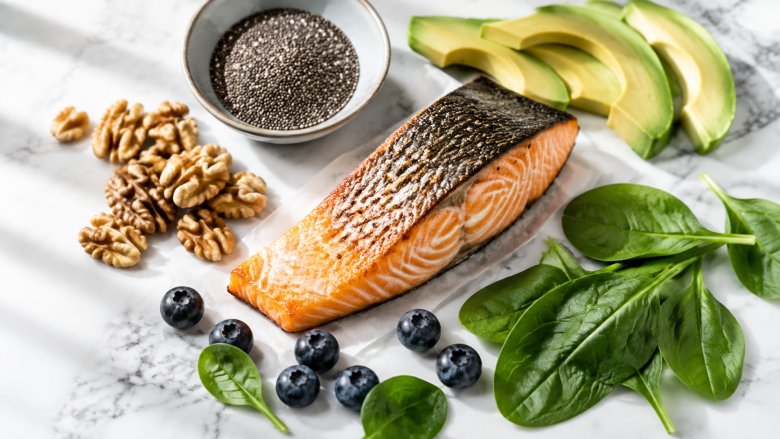
Fatty fish like salmon, mackerel, and sardines are the gold standard because they provide pre-formed EPA and DHA. A 3-ounce serving of cooked salmon delivers about 1.5-2 grams of combined EPA and DHA. That's the easiest way to hit your target.
But plant sources have their own advantages: they're shelf-stable, often cheaper, and suitable for vegans, kosher diets, and people with fish allergies. The trade-off is the conversion issue. To get the same amount of EPA/DHA from ALA, you'd need to consume roughly 10-20 grams of ALA - which translates to about 3 tablespoons of ground flaxseed or 4 tablespoons of chia seeds daily.
The thing nobody tells you about conversion: it's not just about the raw amount of ALA. Your body's conversion efficiency depends on your overall dietary fat balance. A high intake of omega-6s (from fried foods, vegetable oils, processed snacks) can compete for the same enzymes your body uses to convert ALA. So if you're eating a standard Western diet, your conversion may be cut in half.
Fruits High in Omega-3? The Truth Behind the Myth
If you search for "fruits high in omega-3," you'll find a lot of misleading claims. Avocados, for example, are often listed, but a whole avocado contains only about 0.1 grams of ALA - negligible. Berries? Similar story. The only fruit that actually contains a meaningful amount of omega-3 is the kiwi fruit - specifically the gold kiwifruit, which has about 0.1-0.2 g of ALA per fruit. Not enough to rely on, but a nice bonus.
Here's the real fruit trick: seeds are the fruit's omega-3 powerhouse. Chia seeds, flaxseeds, and hemp seeds are technically seeds (the mature ovules of a fruit), but they pack a punch. Two tablespoons of chia seeds provide about 4 grams of ALA - that's more than 3.5 times the daily adequate intake for women.
So while you can't get your omega-3s from a bowl of strawberries, you can incorporate seeds into your fruit smoothies and oatmeal. That's a practical way to combine the fruit you love with the fats you need.
Top Plant-Based Sources of Omega-3s (Beyond Flax and Chia)
Flax and chia get all the attention, but there are other plant sources that deserve a spot in your pantry. Here's a quick comparison table (approximate ALA content per serving):
- Ground flaxseed (1 tbsp): 1.6 g ALA
- Chia seeds (1 tbsp): 1.8 g ALA
- Hemp seeds (3 tbsp): 2.5 g ALA
- Walnuts (1/4 cup halves): 2.5 g ALA
- Perilla oil (1 tsp): 2.0 g ALA (used in Korean cooking)
- Algal oil (1 tsp): 0.5 g DHA + EPA (the only plant source with pre-formed DHA)
Algal oil is a game-changer. It's derived from algae, the same source that fish get their omega-3s from. You can buy it as a liquid or in capsules. I switched to algal oil after reading about overfishing concerns, and it's been a reliable way to get DHA without any fishy aftertaste. Most brands provide 200-300 mg of DHA per serving - equivalent to a small fish portion.
If you're on a budget, ground flaxseed is your best bet. A one-pound bag costs about $4 and lasts for weeks. Just remember: whole flaxseeds pass through your body undigested. You need to grind them. A coffee grinder dedicated to seeds works perfectly.
Bioavailability and Conversion: How to Maximize ALA to DHA
Because the conversion rate is so low, you need to be strategic. Here's what I've learned from both literature and personal experimentation:
1. Reduce omega-6 intake. Cut back on soybean oil, corn oil, and sunflower oil. Replace them with olive oil, avocado oil, or coconut oil for cooking. This frees up the enzymes for ALA conversion.
2. Pair ALA with a source of vitamin E. Vitamin E helps protect the fragile fats from oxidation. Adding a handful of sunflower seeds or a splash of wheat germ oil to your flaxseed smoothie can improve absorption.
3. Consider a daily algal oil supplement. Even if you're plant-based, taking 1-2 capsules of algal oil provides a direct source of DHA without relying on conversion. This is the most reliable way to ensure adequate DHA status, especially for pregnant women or children.
4. Don't overheat your seeds. ALA is heat-sensitive. When I first tried adding flaxseed to baked goods, I roasted them at 350°F for 20 minutes. Later I learned that high heat can destroy up to 30% of the ALA. Use ground flaxseed in no-bake recipes, or add it to smoothies, oatmeal, and yogurt after cooking.
Practical Tips for Preserving Omega-3s in Cooking and Storage
Omega-3s are polyunsaturated, meaning they are prone to oxidation (rancidity). If you've ever smelled a bottle of flaxseed oil that's gone bad, you know it's unmistakable - like old paint. Here's how to keep your fats fresh:
- Store seeds and nuts in the fridge or freezer. Whole chia and flaxseeds can last up to a year in the freezer. Ground flaxseed should be refrigerated and used within 3 months.
- Keep oils in dark glass bottles. Light accelerates oxidation. Buy flaxseed oil in opaque bottles and store it in the fridge.
- Don't leave seed-based dressings out. If you make a chia seed vinaigrette, refrigerate it. I once left a batch out overnight and it smelled fishy the next morning - a sign of rancidity.
- Grind flax just before using. Pre-ground flaxseed is convenient, but it loses potency faster. I grind a week's worth at a time and keep it in an airtight container in the fridge.
These small habits make a big difference. For more general tips on eating whole foods without overcomplicating your kitchen routine, check out our article on Quick Tips to Eat More Whole Foods Daily - it covers the same philosophy of making healthy choices easy and sustainable.
Budget-Friendly Omega-3 Options (Under $10 per Week)
You don't need to spend a fortune on salmon. Here's a sample weekly plan that costs roughly $8-9:
- Ground flaxseed (1 lb bag, $4): Use 1 tbsp daily in oatmeal or smoothies. Lasts 4 weeks - $1 per week.
- Chia seeds (1 lb bag, $6): Use 1 tbsp daily in yogurt or pudding. Lasts 6 weeks - $1 per week.
- Walnuts (bulk, 1 lb, $6): Use 1/4 cup 3 times a week. Lasts 2 weeks - $3 per week.
- Canned sardines or mackerel (if you eat fish, $2 per can): One can provides 1.5 g EPA+DHA. Twice a week - $4 per week.
Total: about $9/week. That's less than the cost of a single salmon fillet. And if you're vegan, skip the sardines and add a tablespoon of hemp seeds (about $0.50 per serving) instead.
One more trick: buy in bulk from a grocery store with a bulk bins section. Flaxseed, chia, and walnuts are often half the price of pre-packaged. I've been doing this for years and it saves me about 30%.
Sustainability: Algal Oil vs. Overfishing
If you eat fish, try to choose species that are low in mercury and sustainably caught. The FDA recommends eating a variety of fish and limiting higher-mercury options like swordfish and king mackerel. Sardines, anchovies, and wild-caught salmon are better choices.
But overfishing is a real concern. According to the FAO, about 34% of global fish stocks are overexploited. Algal oil is a direct alternative that bypasses the fish entirely. It's also suitable for vegans and kosher diets. I've been using an algal oil supplement for two years now, and my blood omega-3 levels are actually higher than when I was eating fish twice a week - because I'm more consistent.
Most people don't realize that algal oil can be used in cooking too. Some brands produce a neutral-tasting version that you can drizzle over salads or mix into sauces. Just don't heat it above 120°F, or you'll lose the DHA.
Putting It All Together: A Sample Omega-3 Rich Day (Vegan, Budget)
Here's what a day looks like when you optimize for omega-3s without breaking the bank:
- Breakfast: Oatmeal with 1 tbsp ground flaxseed, 1 tbsp chia seeds, and a handful of blueberries. (Total ALA: ~3.4 g)
- Lunch: Lentil soup with a side of whole-grain bread spread with 1 tbsp pumpkin seed butter (pumpkin seeds are lower in ALA, but they add variety plus zinc).
- Snack: One apple with 1 tbsp almond butter (low in omega-3, but fiber helps with satiety).
- Dinner: Stir-fried tofu with broccoli and a sauce made from 1 tsp perilla oil (cumin-flavored) and 1 tbsp hemp seeds sprinkled on top. (Total ALA: ~2.5 g)
- Supplement: 1 teaspoon algal oil (provides 500 mg DHA).
Total ALA intake: about 6 g. With optimal conversion, that could yield roughly 0.3-0.9 g of EPA/DHA - plus the direct DHA from the algal oil. That's a solid daily intake.
If you're not vegan, you can swap the algal oil for a can of sardines at dinner and get 1.5 g of combined EPA/DHA directly.
Common Mistakes and Misconceptions
1. "All plant oils are good sources." No. Flaxseed oil, perilla oil, and canola oil (which is about 10% ALA) are good. But olive oil, coconut oil, and avocado oil are very low in omega-3s. They're healthy for other reasons, but don't count on them for omega-3.
2. "Eating whole flaxseeds is fine." Not true. Whole flaxseeds are hard to digest and pass through your system intact. A study from the Journal of Nutrition found that grinding flaxseeds significantly increased ALA absorption. Always grind them.
3. "Fortified foods are a reliable source." Some brands add omega-3s to eggs, yogurt, and milk. But the amounts are often small (30-50 mg per serving), and the form (usually algal oil) can degrade over time. Check the label: if it says "microalgae oil" or "DHA oil," it's legit, but don't rely on fortified foods as your primary source.
4. "You can eat unlimited walnuts." Walnuts are calorie-dense (about 185 calories per 1/4 cup). They're great, but stick to a handful a day to avoid excessive calories. Same with chia seeds - they're high in fiber, so eating too much can cause digestive issues. Start with 1 tbsp per day and increase slowly.
Final Thoughts
The key to getting enough omega-3s is not to rely on a single food, but to build a variety of small habits: grind flax, add chia to your yogurt, snack on walnuts, and consider an algal oil supplement if you're plant-based or budget-conscious. The foods rich in omega-3 fatty acids are more accessible than most people think - you just need to know where to look and how to prepare them.
Start with one change: this week, add a tablespoon of ground flaxseed to your morning oatmeal. It's a small step that pays off over months and years. And if you encounter any challenges - like the off-putting texture of whole chia seeds - experiment with soaking them in liquid first. That's the kind of hands-on learning that turns a good diet into a truly sustainable one.