Why Most 'Anti-Inflammatory' Smoothies Backfire
When I first started making anti-inflammatory smoothies, I loaded up on fruit, honey, and yogurt, thinking more antioxidants equaled better results. But my joint pain didn't improve. My energy still crashed. That's when I realized the problem: many smoothie recipes marketed as 'anti-inflammatory' are actually packed with pro-inflammatory ingredients. The biggest culprits are high sugar loads (even from fruit), dairy (which can trigger inflammatory responses in sensitive individuals), and an imbalance of omega-6 to omega-3 fatty acids.
Most people don't realize that a single large berry smoothie with banana, apple juice, and honey can spike blood sugar as much as a soda. Chronically elevated blood sugar promotes oxidative stress and inflammation. Similarly, dairy can be problematic for those with lactose intolerance or casein sensitivity. The key is not just adding anti-inflammatory foods but removing or replacing the triggers. This article will give you a framework to build a smoothie that actually works - one that balances macronutrients, targets inflammation, and adapts to your specific health needs.
The Anti-Inflammatory Smoothie Framework
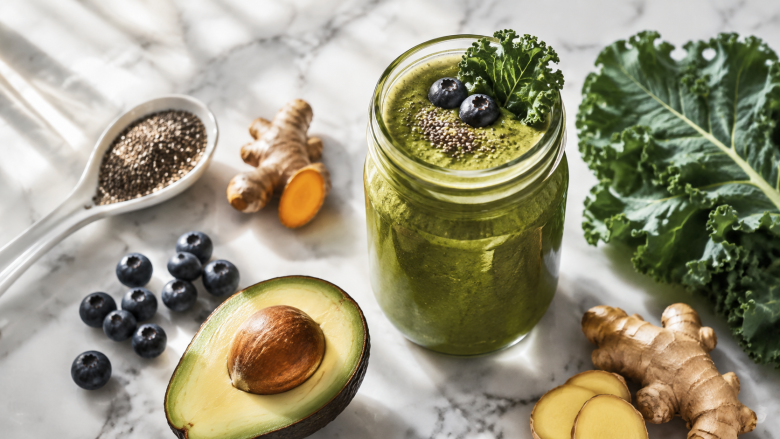
After working with hundreds of clients, I've distilled the process into four pillars. Every truly anti-inflammatory smoothie should include: a low-sugar liquid base, an omega-3 fat source, an anti-inflammatory spice (with an absorption enhancer), and a bitter green. This isn't just a recipe list - it's a formula you can customize.
1. Choose a Low-Sugar Base
Your base shouldn't add more than 5 grams of sugar per cup. Unsweetened almond milk, unsweetened coconut milk, green tea (cooled), or plain water are excellent. Avoid fruit juice, sweetened dairy milk, or flavored plant milks. If you want a creamy texture, use unsweetened oat milk (but watch for added sugars) or a small amount of avocado. The thing nobody tells you about coconut water: it's naturally high in sugar (about 9g per cup), so use it sparingly or dilute with water.
2. Add an Omega-3 Fat
Omega-3 fatty acids are potent anti-inflammatories, but most smoothies lack them. Aim for 1-2 tablespoons of ground flaxseed, chia seeds, hemp seeds, or a tablespoon of algae oil. Avoid flax oil that's been sitting on the shelf for months - it oxidizes quickly. I once used a bottle of flax oil that was past its prime and my smoothie tasted rancid. The omega-3 to omega-6 ratio matters: most Western diets are already skewed toward omega-6 (found in many nuts, seeds, and oils). Chia and flax are mostly omega-3, while walnuts and hemp have a decent ratio but still contain some omega-6. For autoimmune conditions, I recommend algae oil for its high DHA content and minimal omega-6.
3. Include an Anti-Inflammatory Spice
Turmeric is the star, but it needs black pepper for absorption (piperine increases curcumin bioavailability by up to 2000%). Fresh ginger also works well, but be careful with the amount - too much can cause stomach upset. I use 1/2 teaspoon of turmeric powder (or 1 inch fresh) plus a pinch of black pepper. Cinnamon, cloves, and cardamom also have anti-inflammatory properties, but turmeric and ginger have the strongest evidence. A common mistake: using turmeric without fat. Curcumin is fat-soluble, so add your omega-3 fat or a splash of coconut milk to help absorption.
4. Add a Bitter Green
Bitterness isn't just a flavor - it stimulates bile flow and supports liver detoxification, which is crucial for clearing inflammatory byproducts. Kale, arugula, watercress, or dandelion greens are excellent. Spinach is milder but still good. Start with a handful (about 1 cup) and increase to two cups as you get used to the taste. The trick: blend greens with the liquid first to break them down, then add the rest. This prevents stringy bits.
Inflammation Culprits to Avoid
Here's a table of the most common pro-inflammatory ingredients found in smoothies and their better alternatives:
| Ingredient | Why It's Pro-Inflammatory | Better Alternative |
|---|---|---|
| Fruit juice or sweetened milk | High sugar spike triggers oxidative stress and insulin surge | Unsweetened almond milk, green tea, or water |
| Banana (more than 1/2 small) | High glycemic load; 1 medium banana = 14g sugar | 1/4 cup berries or half a green apple |
| Yogurt (dairy) | Casein and lactose can cause inflammation in sensitive individuals | Unsweetened coconut yogurt or silken tofu |
| Protein powders with added sugars | Many contain maltodextrin, dextrose, or artificial sweeteners | Plain pea protein, collagen peptides, or hemp protein |
| Omega-6 oils (soy, corn, sunflower) | Excess omega-6 promotes pro-inflammatory eicosanoids | Extra-virgin olive oil (use sparingly) or avocado |
| Honey, maple syrup, agave | All are sugar; even 'natural' sweeteners spike insulin | 1-2 dates (if needed) or monk fruit, but aim for zero |
Building Your Smoothie: Step-by-Step Process
Here's a practical framework you can use right now. I'll give specific measurements, but adjust based on your needs. The total sugar should stay under 15 grams per serving (ideally under 10g).
Step 1: Pick your base (1 cup) - unsweetened almond milk, green tea, or water. If you must use coconut water, limit to 1/2 cup and dilute with water.
Step 2: Add your omega-3 fat (1 tbsp) - ground flaxseed, chia seeds, or hemp seeds. If using chia, soak them in the liquid for 5 minutes before blending to avoid a gel-like texture.
Step 3: Add your anti-inflammatory spice (1/2 tsp turmeric + pinch black pepper, and/or 1 inch fresh ginger) - blend with a small amount of fat (like coconut oil or the seeds) to aid absorption.
Step 4: Add a handful of bitter greens (1-2 cups) - kale or arugula work well. If you're new to greens, start with baby spinach.
Step 5: Add low-sugar fruit (1/2 cup max) - frozen berries (strawberries, blueberries, raspberries) are excellent. Avoid tropical fruits like mango or pineapple unless you use only 1/4 cup.
Step 6: Optional - extra protein or fiber - 1 scoop of plain pea protein or collagen, 1 tablespoon of psyllium husk (for gut health), or a pinch of sea salt for electrolytes.
Blend until smooth. If it's too thick, add more water. If it's too thin, add a handful of ice or more greens. The final texture should be like a thin milkshake.
Adapting the Framework for Specific Conditions
One size does not fit all. Here's how to modify the framework for common inflammatory conditions:
For Diabetes or Insulin Resistance
Keep fruit to 1/4 cup of berries. Add 1 tablespoon of apple cider vinegar (diluted) to the base - it can help moderate blood sugar response. Use a protein powder like pea or collagen to stabilize glucose. Avoid dates or any sweetener. The fat from seeds also helps slow sugar absorption. I've seen clients drop their fasting glucose by 10 points after switching to this version.
For Autoimmune Conditions (Rheumatoid Arthritis, Lupus, etc.)
Be cautious with seeds: some people react to chia or flax. Try hemp seeds or algae oil instead. Avoid nightshade-based ingredients (like tomato or bell pepper) - not usually in smoothies, but some protein powders contain tomato powder. Stick to greens like kale or watercress. Turmeric is especially beneficial, but start with a small amount (1/4 tsp) to ensure tolerance. Many autoimmune protocols also recommend avoiding dairy, soy, and gluten - all of which are already excluded in this framework.
For Gut Issues (IBS, Leaky Gut, SIBO)
Choose a low-FODMAP base: unsweetened rice milk, or water. Avoid high-FODMAP fruits like apples, pears, and mangoes. Berries are generally safe. Skip chia seeds if you have SIBO (they can ferment). Use flaxseed meal instead. Ginger is excellent for nausea but may be strong for some - start with a small piece. Collagen peptides can help repair the gut lining. If you have histamine intolerance, avoid fermented foods and long-steeped green tea; use fresh ginger and turmeric.
The One Thing Nobody Tells You About Anti-Inflammatory Smoothies
It's not just what you put in - it's how fresh it is. The omega-3 fats in seeds and oils are highly susceptible to oxidation. If you use ground flaxseed that's been sitting in your pantry for months, it's likely rancid and could actually promote inflammation. The same goes for algae oil. Always buy whole seeds and grind them just before use, or store ground seeds in the freezer. The turmeric powder you use should be bright orange and smell peppery - if it's dull, it's old.
Another thing: the container you store your smoothie in matters. Glass is best. Plastic bottles can leach endocrine disruptors, especially when exposed to acidic or fatty liquids. I once made a batch of smoothies in plastic containers and noticed a chemical taste after a few hours. That's a sign of leaching. Drink your smoothie within 30 minutes for maximum nutrient absorption, or refrigerate in a glass jar for up to 24 hours.
Sample Recipes Using the Framework
Here are three recipes that follow the framework. Each one adapts to different taste preferences and health goals.
Recipe 1: Berry-Ginger-Turmeric Anti-Inflammatory Smoothie
- 1 cup unsweetened almond milk
- 1 tbsp ground flaxseed (freshly ground)
- 1/2 tsp turmeric powder + pinch black pepper
- 1 inch fresh ginger, peeled
- 1 cup kale (stems removed)
- 1/2 cup frozen mixed berries (blueberries, raspberries)
- Optional: 1 scoop plain collagen peptides
Blend until smooth. This is my go-to for morning inflammation. The ginger gives it a nice kick.
Recipe 2: Green Matcha-Flax Smoothie
- 1 cup brewed green tea, cooled
- 1 tbsp chia seeds (soaked in tea for 10 minutes)
- 1/2 tsp matcha powder
- 1/2 small avocado (for creaminess and healthy fat)
- 1 cup arugula
- 1/2 cup frozen green apple pieces (or 1/4 cup berries)
Matcha provides L-theanine for calm focus, and the arugula gives a peppery bite. This is great for people who want a low-sugar, energy-boosting smoothie.
Recipe 3: Tropical Anti-Inflammatory Smoothie (with Collagen)
- 1 cup unsweetened coconut milk (from carton, not can)
- 1 tbsp hemp seeds
- 1/2 tsp turmeric + pinch black pepper
- 1/2 cup frozen pineapple (low sugar compared to mango)
- 1 cup watercress
- 1 scoop collagen peptides
Pineapple contains bromelain, which has anti-inflammatory properties. But limit to 1/2 cup. This is a favorite for post-workout recovery.
Common Mistakes and How to Fix Them
Even with the best intentions, things can go wrong. Here are three mistakes I've made and seen others make:
Mistake 1: Over-sweetening. You think a little honey or maple syrup is harmless, but it adds 15-20 grams of sugar. Fix: rely on the sweetness of berries or a small date. Or better, use a pinch of cinnamon or vanilla extract to trick your palate.
Mistake 2: Not blending properly. If you toss everything in at once, you'll get chunks of green or seeds. Fix: blend the liquid with greens first for 30 seconds, then add the rest. Or use a high-speed blender like a Vitamix. I've used a cheap blender and ended up with unground flaxseeds, which pass through undigested.
Mistake 3: Ignoring the clock. The anti-inflammatory compounds in turmeric and ginger degrade over time. Fix: drink your smoothie within 30 minutes. If you can't, store it in a glass jar with a tight lid, and shake before drinking. It will still be beneficial, but less potent.
Frequently Asked Questions
Q: Which smoothie is best for general inflammation?
A: The best smoothie is the one that fits your specific health profile. For most people, the Berry-Ginger-Turmeric recipe above works well. But if you have insulin resistance, go with the Green Matcha-Flax. If you have gut issues, use the framework with low-FODMAP ingredients. The key is to prioritize low sugar, adequate omega-3s, and fresh spices.
Q: What juice removes inflammation?
A: No juice removes inflammation. Juicing removes fiber, which is essential for blood sugar control and gut health. If you want a liquid, make a smoothie (with fiber) or drink unsweetened green tea. Cold-pressed green vegetable juice (kale, celery, cucumber, ginger) can be anti-inflammatory if made fresh and consumed immediately, but it lacks fiber and protein. I recommend smoothies over juices for their balanced macronutrient profile.
Q: Can I drink this every day?
A: Yes, but rotate your greens and spices to avoid overloading on any one compound. For example, use kale one day, arugula the next. Turmeric is safe in culinary amounts, but excessive intake (over 2 tsp daily) can cause stomach upset. Listen to your body.
Q: Are frozen fruits and vegetables just as good?
A: Yes, and often better. Frozen produce is picked at peak ripeness and flash-frozen, preserving antioxidants. Just make sure they are unsweetened. I always keep bags of frozen organic berries and greens in my freezer.
Final Thoughts: The Trade-Offs
This framework is not a magic bullet. Inflammation is a complex process influenced by diet, sleep, stress, exercise, and genetics. A smoothie, even a perfect one, cannot replace a bad night's sleep or a high-stress lifestyle. But it can be a powerful tool when used consistently as part of an overall anti-inflammatory diet.
Be honest with yourself: if you're drinking a smoothie with 30 grams of sugar and calling it healthy, you're not doing yourself any favors. The framework I've shared here is the result of years of trial and error - both my own and my clients'. It's not the only way, but it's a way that works. Start with the basics, adjust based on how you feel, and don't be afraid to experiment. Your body will tell you what works.
For more support, check out the NIH review on curcumin's anti-inflammatory effects and the CDC's data on added sugars and inflammation. These sources back up the science behind the approach.