Why You Wake Up-and What to Do About It, Based on the Actual Cause
If you're waking up every night and can't get back to sleep, you've probably tried the usual advice: keep the room cool, avoid screens, stick to a schedule. But you're still waking up. That's because those tips treat symptoms, not root causes. I've spent years helping people repair their sleep, and I've learned that the most effective fix starts with a simple question: why are you waking?
Here's the truth most articles skip: there are five distinct physiological reasons for night wakings-nocturia, sleep apnea, restless legs, blood sugar dips, and anxiety. Each one needs a different solution. This article gives you a diagnostic flowchart so you can pinpoint your trigger and take the right action. By the end, you'll have a personal plan to sleep through the night without waking.
The Diagnostic Flowchart: Which Trigger Is Waking You?
Use this quick decision tree to identify your root cause. Then jump to the section that matches.
- You wake to pee (two or more times per night) → Likely nocturia or sleep apnea. Go to the nocturia section.
- You wake gasping, choking, or with a dry mouth → Likely sleep apnea. Go to the sleep apnea section.
- You wake with an urge to move your legs, or a crawling sensation → Likely restless legs syndrome (RLS). Go to the RLS section.
- You wake with a racing heart, sweating, or dread → Likely anxiety or stress. Go to the anxiety section.
- You wake hungry or with a headache → Likely blood sugar dip. Go to the blood sugar section.
- You wake for no clear reason, and it's random → Could be a combination. Start with the sleep hygiene basics, then check each section.
If You Wake to Pee: Nocturia Isn't Just About Fluids
Most people assume that cutting back on water before bed solves nocturia. But I've seen clients who drink nothing after 7 p.m. and still wake up three times to pee. The problem isn't always fluid intake-it's often sleep apnea.
Here's what happens: when you have obstructive sleep apnea, your throat muscles relax, blocking your airway. Your body struggles to breathe, which increases pressure in your chest and triggers the heart to release a hormone called atrial natriuretic peptide. This hormone tells your kidneys to produce more urine, even if you haven't drunk anything. The result: you wake up with a full bladder.
When I first started working with a client who had this, she was convinced she just needed to drink less. After a home sleep study, she was diagnosed with mild sleep apnea. Using a CPAP machine, her nocturia dropped from four times a night to zero within two weeks.
What to do: If you wake to pee and also snore, gasp, or have a dry mouth, see a doctor for a sleep apnea evaluation. Even if you don't have those symptoms, try this: elevate the head of your bed by 6 inches using a wedge pillow. This reduces fluid accumulation in your legs during the day, which can migrate to your bladder at night. Many people see improvement within a week.
Also, avoid diuretics after 4 p.m. That includes caffeine, alcohol, and certain medications like blood pressure pills-check with your doctor before changing any meds.
If You Wake Gasping or Choking: Sleep Apnea Is the Likely Culprit
Sleep apnea is one of the most underdiagnosed causes of night wakings. I've met people who thought they were just "light sleepers" when they were actually stopping breathing 20 times an hour. The brain jolts you awake to restart breathing, but you don't always remember it.
Classic signs include: loud snoring, waking with a dry mouth or sore throat, morning headaches, and daytime sleepiness. But many people have apnea without snoring loudly-especially women. Instead, they might have shallow breathing or just feel like they can't catch their breath in the middle of the night.
What to do: A sleep study is the gold standard. You can do an at-home test with a device from your doctor. If you're diagnosed, CPAP therapy is highly effective. But I know CPAP can be uncomfortable. Alternatives include oral appliances (mandibular advancement devices) and positional therapy-sleeping on your side reduces apnea in many people.
One thing nobody tells you: even if you don't have full-blown apnea, you might have upper airway resistance syndrome (UARS). This is a milder form where the airway partially collapses, causing micro-awakenings. The symptoms are similar but less severe. A sleep specialist can differentiate.
If you're already using a CPAP and still waking up, check your mask fit. A leaky mask can wake you as often as the apnea itself. Also, clean your equipment regularly-dirty filters reduce pressure.
If You Wake with Restless Legs: Iron Deficiency and Timing Matter
Restless legs syndrome (RLS) often hits hardest at night, especially when you're lying still. The urge to move can wake you from sleep or prevent you from falling back asleep. I once had a client who described it as "bugs crawling inside my legs." She was waking up every hour.
RLS is strongly linked to low iron stores. Even if your hemoglobin is normal, your ferritin (iron storage) might be low. A ferritin level below 50 ng/mL can trigger RLS in susceptible people. The standard range is 30-300, but neurologists often recommend keeping ferritin above 100 for RLS relief.
What to do: Ask your doctor for a ferritin blood test. If it's low, iron supplementation can help-but don't start without a test because excess iron is toxic. Take iron with vitamin C (like orange juice) to improve absorption, and avoid calcium an hour before or after.
Other triggers: caffeine, alcohol, nicotine, and certain antidepressants (SSRIs can worsen RLS). If you take an SSRI and have RLS, talk to your doctor about switching to bupropion or a different class.
Stretching your calves and hamstrings before bed can reduce symptoms. I've also found that a warm bath with Epsom salts (magnesium sulfate) helps some people, though the evidence is anecdotal.
If You Wake with Anxiety: The 4-7-8 Breathing Rescue
Anxiety-related night wakings are common. You wake up at 3 a.m. with your heart racing, thoughts spiraling. The worst thing you can do is look at the clock-that triggers a cascade of panic about losing sleep, which makes it harder to fall back asleep.
I've been there. When I first started my sleep practice, I would wake up at 3 a.m. and immediately calculate how many hours I had left. That number would make me anxious, which made sleep impossible. The fix wasn't more relaxation-it was a specific technique to reset the nervous system.
Dr. Andrew Weil's 4-7-8 breathing technique works wonders. Here's how to do it:
- Exhale completely through your mouth, making a whoosh sound.
- Close your mouth and inhale quietly through your nose for a count of 4.
- Hold your breath for a count of 7.
- Exhale completely through your mouth for a count of 8.
- Repeat 4-5 times.
This activates the parasympathetic nervous system, lowering heart rate and blood pressure. I've used it with clients who reported falling back asleep within 10 minutes.
What to do: Keep a notepad by your bed. If you wake with racing thoughts, write them down. This offloads them from your brain. Then do the 4-7-8 breathing. Do not check the time. Do not turn on lights. If you're still awake after 20 minutes, get out of bed and sit in a dimly lit room until you feel drowsy-then return to bed.
Also, consider a worry journal before bed. Write down everything on your mind, then close the notebook. This is a ritual that tells your brain "I've handled it."
If You Wake Hungry or with a Headache: Blood Sugar Dips Are Real
Blood sugar levels can drop during the night, especially if you ate a high-carb dinner or skipped protein. When your glucose dips, your body releases stress hormones like cortisol and adrenaline to raise it back up. Those hormones wake you up.
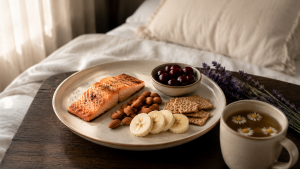
I had a client who was a vegetarian and ate mostly pasta for dinner. She woke up every night around 2 a.m. with a headache and hunger pangs. After switching to a protein-rich bedtime snack (a handful of almonds and a piece of cheese), she slept through the night for the first time in years.
What to do: Eat a small, balanced snack before bed-about 150-200 calories. Include protein (like Greek yogurt, cottage cheese, or turkey) and healthy fat (like nuts or avocado). Avoid high-sugar snacks because they cause a spike then crash.
Also, make sure your dinner contains protein and fiber. If you eat a huge carb-heavy meal, your blood sugar spikes then drops a few hours later. Aim for dinner at least 3 hours before bed.
If you're diabetic or prediabetic, talk to your doctor about your nighttime glucose management. Some people benefit from a small dose of insulin or a specific medication timing.
The Bedroom Environment: Two Factors Competitors Ignore
Most articles tell you to make your room cool, dark, and quiet. That's basic. But I want to add two specific tweaks that make a huge difference.
Mattress and Pillow Quality
If your mattress is more than 7 years old, it's likely sagging. Even a slight dip can cause micro-awakenings as your body adjusts position. I've seen people who thought they had insomnia, but after buying a new mattress, they slept through the night.
Pillows are even more overlooked. If you sleep on your side, your pillow should fill the gap between your ear and shoulder. If it's too flat, your neck tilts, which can restrict airflow and cause you to wake up. If it's too thick, your neck is hyperextended. The right pillow can reduce snoring and apnea events.
Test your pillow by lying on your side. Your head should be aligned with your spine-not tilted up or down. Use a memory foam or latex pillow that holds its shape.
Temperature Gradient, Not Just a Cool Room
Experts say keep your room between 60-67°F (15-19°C). But the real trick is creating a temperature gradient: keep your core warm and your head/feet cool. This helps your body enter deep sleep faster.
Use a light blanket and a ceiling fan. If your feet are cold, wear socks to bed-cold feet can cause you to wake up. But don't keep your head under the covers; that traps CO2 and can trigger arousal.
Diet Timing and Alcohol: The Two-Hour Rule
Most people know not to eat a big meal right before bed. But I'm going to be more specific: stop eating heavy meals at least 3 hours before bed. If you have to eat something, make it the small protein snack I mentioned.
Alcohol is a double-edged sword. It helps you fall asleep faster, but it disrupts REM sleep and causes you to wake up in the second half of the night. Even one drink can affect sleep quality. If you drink, stop at least 2 hours before bed. And drink a glass of water for every alcoholic drink to reduce dehydration.
Caffeine has a half-life of 4-6 hours. That means if you drink coffee at 3 p.m., half of it is still in your system at 9 p.m. For some people, even a small amount of caffeine in the afternoon can cause night wakings. I recommend no caffeine after 2 p.m. If you're sensitive, cut it off at noon.
How to Handle Middle-of-the-Night Wake-Ups: The Protocol
When you wake up in the middle of the night, the worst thing you can do is stay in bed and try to force sleep. That creates anxiety and makes you associate your bed with frustration. Instead, follow this protocol:
- Don't check the time. Turn your clock away or hide your phone. The number only makes you anxious.
- Do the 4-7-8 breathing for 4-5 cycles.
- If after 10 minutes you're still awake, get out of bed. Go to a dimly lit room and read a boring book (no screens). Do not do anything stimulating. Return to bed only when you feel drowsy.
- If you're still awake after 20-30 minutes, repeat the cycle. This is called stimulus control therapy, and it's one of the most effective non-drug treatments for insomnia.
I've seen clients who fought this protocol because they thought they should stay in bed. But once they got up, they fell asleep faster. The key is to break the cycle of rumination.
Building Better Sleep Habits: A Step-by-Step Foundation
While you're working on the specific triggers, don't ignore the basics. A consistent sleep schedule and a relaxing bedtime routine are the foundation. For a detailed plan, see our guide on how to form better sleep habits step by step.
That guide covers the exact routine I use: dim lights 90 minutes before bed, no screens 60 minutes out, and a warm bath 30 minutes before. It also includes a template for a sleep diary to track your patterns.
Another overlooked factor is daytime movement. Regular exercise improves sleep quality, but timing matters. Intense exercise too close to bed can raise cortisol and wake you up. Aim to finish workouts at least 3 hours before bed. If you want low-effort ways to stay active during the day, check out everyday tips to stay active without effort. Light walking or stretching in the evening can actually help you fall asleep.
The Thing Nobody Tells You About Sleeping Through the Night
Most people think sleeping through the night means 8 hours of uninterrupted unconsciousness. That's a myth. Normal sleep cycles include brief awakenings-you wake up slightly between cycles, but you don't remember it. The problem is when you fully wake up and can't get back to sleep.
Your goal is not to have zero awakenings. It's to minimize the ones that pull you out of sleep and to make it easy to fall back asleep. The strategies in this article are designed to do exactly that.
One more thing: if you've tried everything and still wake up, consider a sleep tracker. But don't obsess over the data. A simple device like a fitness band can help you see patterns. For a no-fuss approach to tracking movement and sleep, see our article on how to track movement without fancy apps. Sometimes just knowing that you have a pattern helps you fix it.
When to See a Doctor
If you've tried the appropriate fixes for your likely trigger (nocturia, apnea, RLS, anxiety, blood sugar) and you're still waking up multiple times per night, it's time to see a sleep specialist. Also see a doctor if you have any of these red flags:
- Loud, disruptive snoring
- Witnessed pauses in breathing during sleep
- Morning headaches
- Excessive daytime sleepiness (falling asleep while driving or reading)
- Leg movements during sleep that you can't control
A sleep study is the only way to diagnose sleep apnea, RLS, and other disorders. Don't ignore it. Many people suffer for years because they think it's normal.
Final Thoughts: A Personalized Plan Works Better Than Generic Advice
You don't need to try every sleep tip on the internet. You need to find your specific cause and fix it. Use the diagnostic flowchart at the start of this article. Identify your primary trigger. Then apply the targeted strategies I've outlined.
I've seen people transform their sleep in just a week by addressing the right root cause. One client had nocturia for years-she thought it was just aging. After a sleep study and CPAP, she now sleeps 7 hours straight. Another client had anxiety wake-ups and used the 4-7-8 breathing. He went from waking every 90 minutes to sleeping through the night.
Sleep is not a mystery. It's a biological process with specific inputs. When you give your body the right conditions, it will sleep. Start with your trigger today, and you'll be on your way to uninterrupted nights.