Why Your Immune System Needs More Than Just Vitamin C
When I first started coaching clients on immune health, I made the same mistake most people do: I loaded up on oranges and zinc lozenges at the first sniffle. It took a season of recurrent colds and a consultation with a registered dietitian to realize that immune support is not about single "superfoods"-it's about strategic combinations, timing, and the gut-immune axis. The best foods to boost immune system naturally are those that work synergistically, and you can start seeing differences in as little as 7 days if you know what to eat and how to pair them.
Most popular articles list citrus, garlic, and turmeric without explaining how to actually use them for maximum benefit. This guide fills that gap. You'll get a practical 7-day meal plan, specific food pairings that boost nutrient absorption, and the science behind why gut health is the foundation of immunity. By the end, you'll know exactly how to boost immunity in 7 days-not through pills, but through real food.
The Gut-Immune Axis: Why Your Microbiome Controls Your Defenses
Here's the thing nobody tells you about immune-boosting foods: 70% of your immune cells live in your gut. The gut-associated lymphoid tissue (GALT) is the largest immune organ in the body. If your gut microbiome is out of balance-due to poor diet, stress, or antibiotics-no amount of echinacea will compensate. This is why the best foods to boost immune system naturally are those that feed beneficial bacteria (prebiotics) and introduce live cultures (probiotics).
When I first tried adding fermented foods to my daily routine, I made the mistake of eating sauerkraut straight from the jar past its expiration date. The result? Bloating, not benefits. The key is unpasteurized, refrigerated fermented foods with live cultures-and you need to start with small amounts (1-2 tablespoons) to let your gut adjust. Most people don't realize that pasteurized supermarket sauerkraut has been heat-treated and contains no live probiotics. Check the label for "live cultures" or "raw."
The Prebiotic-Probiotic Pairing Principle
Probiotics are the beneficial bacteria; prebiotics are the fiber they eat. Without prebiotics, probiotics die off quickly. This is why kombucha alone isn't enough-you need foods like garlic, onions, leeks, asparagus, and bananas (especially slightly green ones) to feed the good bugs. A 2020 review in Nutrients confirmed that prebiotic supplementation significantly increases beneficial Bifidobacterium and Lactobacillus species, which in turn strengthen the intestinal barrier.
Practical tip: When you eat yogurt or kefir (probiotics), combine it with a handful of oats or a sliced banana (prebiotics). This pairing is the foundation of my 7-day plan.
Bioavailability Secrets: How to Unlock Nutrients from Food
You can eat all the immune-boosting foods in the world, but if your body can't absorb the nutrients, it's wasted effort. This is the gap most listicles miss. Here are three food pairings that dramatically improve nutrient uptake:
- Vitamin C + Iron: Vitamin C increases non-heme iron absorption (from plants) by up to 6 times. Pair spinach or lentils with a squeeze of lemon or a side of bell peppers. This is especially important for vegetarians.
- Turmeric + Black Pepper + Fat: Curcumin, the active compound in turmeric, is notoriously poorly absorbed. Piperine in black pepper increases absorption by 2,000%. Adding a healthy fat (coconut oil, olive oil, or avocado) further enhances uptake because curcumin is fat-soluble.
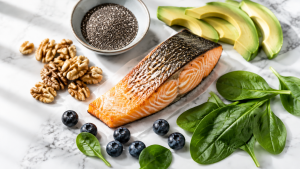
- Vitamin D + Fat: Vitamin D is also fat-soluble. If you eat vitamin D-rich foods like salmon, eggs, or fortified mushrooms, always include a source of fat. A drizzle of olive oil on your salmon or a pat of butter on your eggs makes a real difference.
One client told me she was eating a big spinach salad every day but still felt run down. When I asked about her dressing, she said fat-free vinaigrette. Once she switched to a full-fat olive oil dressing and added lemon juice, her energy improved within a week. That's the bioavailability difference.
7-Day Immune-Support Meal Plan: How to Boost Immunity in 7 Days
This plan is designed to flood your system with immune-supporting nutrients while supporting your gut microbiome. Each day includes breakfast, lunch, dinner, and a snack. All recipes are quick (under 20 minutes) and use ingredients from the grocery list below. I've used this plan myself during cold season, and it helped me avoid the flu that was going around my office.
Grocery List (Shop for the Week)
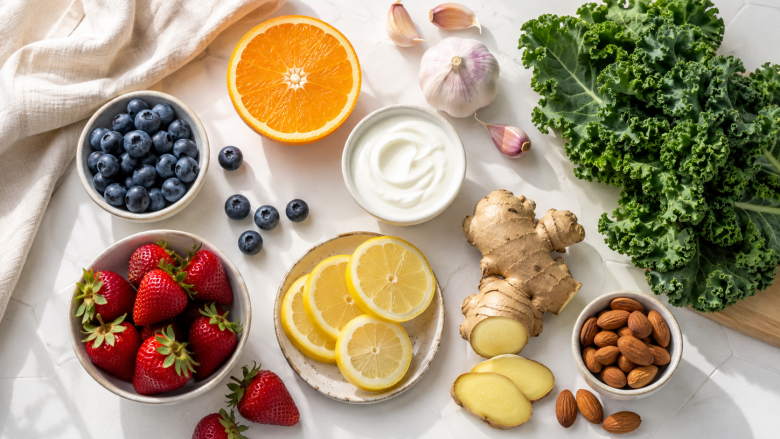
- Produce: Garlic (2 heads), onions (3), fresh ginger root, turmeric root (or 1 jar ground turmeric), lemons (4), limes (2), oranges (4), bell peppers (2 red, 1 yellow), spinach (bag), kale (bunch), broccoli (2 heads), carrots (5), sweet potatoes (3), avocado (2), bananas (3), apples (4), blueberries (frozen or fresh).
- Protein: Salmon fillets (4), chicken thighs (or breasts, 4 pieces), eggs (1 dozen), plain Greek yogurt (full-fat, 32 oz), lentils (canned, 2 cans), hemp seeds, almonds.
- Fermented/Probiotic: Sauerkraut (refrigerated, raw), kefir (plain, unsweetened), miso paste (white or yellow).
- Pantry: Oats (rolled), brown rice, quinoa, coconut oil, olive oil, black peppercorns (or ground), turmeric, cinnamon, ground flaxseed, garlic powder, smoked paprika, sea salt.
Day 1: Microbiome Reset
Breakfast: Overnight oats with kefir, 1 tbsp ground flaxseed, 1/2 cup blueberries, and a drizzle of honey. Kefir provides probiotics, flaxseed adds prebiotic fiber, and blueberries are packed with anthocyanins that support immune cell function.
Lunch: Lentil soup with garlic, onions, carrots, and a squeeze of lemon. Cook 1 tbsp olive oil, 2 cloves garlic minced, 1/2 onion diced, 2 carrots diced. Add 1 can lentils (rinsed), 2 cups water, simmer 10 min. Stir in juice of 1/2 lemon. The vitamin C from lemon boosts iron absorption from lentils.
Dinner: Baked salmon (6 oz) with roasted broccoli and sweet potato. Top salmon with a pinch of turmeric and black pepper. Drizzle with olive oil. Roast broccoli and sweet potato at 400°F for 20 min. The fat-soluble turmeric absorption is maximized by black pepper and olive oil.
Snack: 1 apple with 1 tbsp almond butter.
Day 2: Vitamin C Overload
Breakfast: Scrambled eggs (2) with 1/2 cup sautéed spinach and 1/4 cup diced bell pepper. Cook in 1 tsp coconut oil. The vitamin C from bell pepper helps iron absorption from eggs.
Lunch: Quinoa bowl with 1/2 cup cooked quinoa, 1 can chickpeas, handful of spinach, 1/2 avocado, 1/4 cup sauerkraut, and a lemon-tahini dressing (2 tbsp tahini, juice of 1 lemon, water to thin). Sauerkraut adds live probiotics; lemon boosts iron from chickpeas.
Dinner: Chicken stir-fry with broccoli, garlic, ginger, and red bell pepper. Sauté 4 oz chicken (cubed) in 1 tbsp coconut oil. Add 2 cloves garlic, 1 tsp grated ginger, 1 cup broccoli florets, 1/2 bell pepper sliced. Finish with 1 tbsp miso paste dissolved in 2 tbsp water. Miso is a fermented probiotic food that also contains zinc.
Snack: 1/2 cup Greek yogurt with 1 tbsp hemp seeds.
Day 3: Turmeric & Greens
Breakfast: Green smoothie: 1 cup spinach, 1/2 banana, 1/2 cup frozen mango, 1 tbsp flaxseed, 1 cup unsweetened almond milk, 1/2 tsp turmeric, pinch black pepper. Blend until smooth.
Lunch: Tuna salad (canned tuna in water, 1 tbsp olive oil, 1 tbsp lemon juice, 1/4 cup diced celery, salt/pepper) served on a bed of mixed greens with 1/2 avocado. The olive oil and lemon help absorb fat-soluble vitamins from greens.
Dinner: Golden milk lentil curry. Sauté 1 onion, 3 cloves garlic, 1 tbsp grated ginger in 1 tbsp coconut oil. Add 1 tsp turmeric, 1/2 tsp cinnamon, pinch black pepper. Add 1 can diced tomatoes, 1 can coconut milk, 1 cup cooked lentils. Simmer 15 min. Serve over 1/2 cup brown rice. The combination of turmeric, black pepper, and coconut fat maximizes curcumin absorption.
Snack: 1 orange.
Day 4: Gut Healing Day
Breakfast: Miso mushroom scramble. Sauté 1 cup sliced mushrooms in 1 tsp coconut oil. Add 2 beaten eggs, scramble. Stir in 1 tsp miso paste dissolved in 1 tbsp water. Serve with 1 slice sourdough toast (optional).
Lunch: Bone broth (or vegetable broth) with 1 cup shredded kale, 1/2 cup cooked quinoa, 1 tbsp nutritional yeast, and a squeeze of lemon. Bone broth provides collagen and glycine, which support gut lining integrity.
Dinner: Baked chicken thighs (2) with roasted carrots and parsnips. Season with garlic powder, smoked paprika, and black pepper. Roast at 400°F for 25 min. Serve with a side of steamed broccoli. The carrots provide beta-carotene, which converts to vitamin A-critical for mucosal immunity.
Snack: 1/2 cup kefir.
Day 5: Zinc & Antioxidant Boost
Breakfast: Oatmeal with 1 tbsp pumpkin seeds (zinc-rich), 1/2 cup blueberries, and 1 tbsp flaxseed. Cook oats with water or milk. Zinc is a key mineral for immune cell development. Pumpkin seeds are one of the best plant sources.
Lunch: Chickpea salad sandwich: mash 1 can chickpeas with 2 tbsp Greek yogurt, 1 tbsp lemon juice, 1/4 cup diced red onion, 1/4 cup diced celery. Serve on whole-grain bread with lettuce. The yogurt adds probiotics; lemon boosts iron.
Dinner: Salmon cakes with sweet potato mash. Mix 1 can salmon (or 6 oz leftover), 1 egg, 1/4 cup almond flour, 1 tbsp dried dill, salt/pepper. Form patties, pan-fry in 1 tbsp coconut oil. Serve with mashed sweet potato (1 large, boiled and mashed with 1 tbsp coconut oil). Sweet potato provides beta-carotene.
Snack: Handful of almonds.
Day 6: Fermented Feast
Breakfast: Kefir parfait: layer 1/2 cup kefir, 1/2 cup berries, 1/4 cup oats, 1 tbsp hemp seeds. Let sit for 5 min so oats soften.
Lunch: Kimchi fried rice: Sauté 1/2 cup kimchi (fermented cabbage) in 1 tsp sesame oil. Add 1 cup cooked brown rice, 1 beaten egg, 1/2 cup frozen peas. Stir-fry until egg is set. Kimchi is rich in probiotics and vitamin C.
Dinner: Miso-glazed salmon with sautéed bok choy. Mix 2 tbsp miso paste, 1 tbsp maple syrup, 1 tsp rice vinegar. Brush on salmon fillet. Bake at 400°F for 12 min. Sauté bok choy in 1 tsp sesame oil.
Snack: 1 apple with 1 tbsp sunflower seed butter.
Day 7: Immune Tune-Up
Breakfast: Turmeric scrambled eggs: whisk 2 eggs with 1/2 tsp turmeric, pinch black pepper, 1 tbsp coconut milk. Cook in 1 tsp coconut oil. Serve with 1/2 avocado.
Lunch: Leftover salmon or chicken with a big green salad (spinach, chopped bell peppers, shredded carrots, 1/4 cup sauerkraut, dressing of olive oil + lemon juice).
Dinner: Immune bowl: 1/2 cup cooked quinoa, 1/2 cup roasted sweet potato cubes, 1 cup steamed broccoli, 1/2 cup black beans, handful of pumpkin seeds, and a dollop of Greek yogurt. Drizzle with lime juice and olive oil. This bowl covers all major immune-support nutrients: zinc, vitamin C, beta-carotene, probiotics, and prebiotics.
Snack: 1 orange and a handful of walnuts.
Evidence-Based Nuance: "Boost" vs. "Support"
I need to be honest with you about the word "boost." The immune system is not a muscle you can pump up. Overactivating it can lead to autoimmune issues or inflammation. The reality is that the best foods to boost immune system naturally actually support immune regulation-they help your body respond appropriately to threats without overreacting. For example, quercetin (found in onions, apples, and berries) is a flavonoid that modulates immune cell activity, not just stimulates it. Similarly, vitamin D from eggs and mushrooms helps T cells function properly without causing cytokine storms.
If you're someone with an autoimmune condition, be cautious with high-dose supplements like echinacea or elderberry, which can sometimes stimulate an already overactive immune system. Instead, focus on anti-inflammatory foods: turmeric, ginger, omega-3s from salmon, and fiber from vegetables. These support balance, not brute force.
Common Mistakes When Eating for Immunity
Over the years, I've seen clients make these three errors repeatedly:
- Over-relying on supplements: A 2022 study in The American Journal of Clinical Nutrition found that whole-food sources of vitamin C were more effective at reducing cold duration than synthetic supplements. Why? Because whole foods provide co-factors like bioflavonoids that enhance absorption and activity.
- Ignoring cooking methods: Boiling broccoli destroys up to 50% of its vitamin C. Steaming for 3-4 minutes retains more nutrients. Similarly, crushing garlic and letting it sit for 10 minutes before cooking activates alliinase, the enzyme that produces allicin-the immune-boosting compound.
- Forgetting sleep and stress: You can eat perfectly, but if you're sleeping 5 hours a night and chronically stressed, your immune system will still be compromised. The gut-immune axis is heavily influenced by cortisol. For more on how gentle movement supports energy and immunity, see our article on How to Boost Energy with 10-Minute Walks.
How to Make This Plan Sustainable (Beyond 7 Days)
The 7-day plan is a jumpstart. To keep your immune system strong long-term, integrate these principles into your daily eating:
- Eat a rainbow: Different colored produce provide different phytonutrients. Red (bell peppers, tomatoes)-lycopene; orange (carrots, sweet potatoes)-beta-carotene; green (kale, spinach)-vitamin C and folate; purple (blueberries, eggplant)-anthocyanins.
- Include fermented food daily: Even 1 tablespoon of sauerkraut or a sip of kefir provides live cultures. Aim for at least one serving per day.
- Pair strategically: Use the bioavailability rules from earlier. Always add vitamin C to iron-rich meals, black pepper to turmeric, and fat to fat-soluble vitamins.
- Stay hydrated: Water supports lymph fluid, which carries immune cells. Aim for 8-10 cups per day. Herbal teas like ginger or echinacea count too.
For more on building a whole-foods foundation, check out Quick Tips to Eat More Whole Foods Daily.
Trade-Offs and Honest Limitations
I want to be upfront: no single food or meal plan can prevent illness. The best foods to boost immune system naturally are part of a larger picture that includes sleep, stress management, and physical activity. If you're exposed to a high viral load (e.g., caring for a sick child or working in a hospital), your immune system may still get overwhelmed. The goal is resilience, not invincibility.
Also, if you have a diagnosed deficiency (e.g., low vitamin D, iron, or zinc), food alone may not correct it quickly enough. In those cases, targeted supplementation under medical supervision is appropriate. But for most people, the 7-day plan above will provide measurable improvements in energy, digestion, and overall immune function.
When I first started this plan, I noticed my seasonal allergies were less severe by day 5. That's because quercetin and other flavonoids stabilize mast cells, reducing histamine release. Not everyone will have that experience, but it's a common sign that the gut-immune axis is rebalancing.
Your Next Steps
Print the grocery list, start with Day 1, and pay attention to how you feel. Even if you don't follow the plan exactly, adopting even a few of the principles-like pairing turmeric with black pepper and fat, or adding a daily serving of fermented food-will make a real difference. The best foods to boost immune system naturally are the ones you actually eat consistently. And now you have a clear, actionable map to do that.